


Businesses that thrive on social media have one thing in common: they plan ahead. Having a solid social media presence requires more than just posting on the go; it demands consistency, strategy, and foresight. That’s where a social media calendar comes into play. By creating a well-organized calendar, you can streamline your content creation. This ensures your posts align with your business goals and engage your audience more effectively.
A well-structured social media content calendar allows you to schedule posts across multiple platforms. It helps you keep track of important dates and avoid last-minute scrambles for content. Whether you’re focusing on building brand awareness, driving engagement, or generating leads, having a solid plan in place makes all the difference.
Now, let’s explore the steps to creating a social media calendar that works for your business.
Why You Need a Social Media Calendar
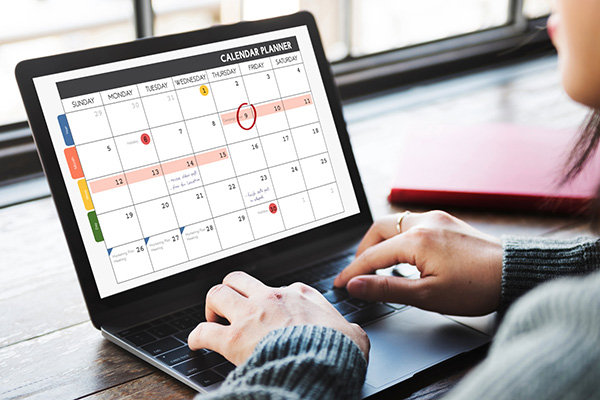 A successful social media strategy doesn’t happen by chance—it’s the result of careful planning and consistent execution. This is where a social media calendar becomes indispensable. By organizing your content in advance, you can maintain consistency, improve the quality of your posts, and reduce the stress of last-minute scrambling.
Businesses that use a structured social media content calendar engage with their audience more effectively. They are also more likely to meet their marketing goals. Research shows companies that plan their social media content in advance are 3.5 times more likely to succeed.
A social media calendar allows you to:
- Stay organized: Plan ahead for product launches, seasonal events, or holidays.
- Work in Advance: Create and schedule out posts around 4 to 6 weeks for small business and 8 weeks to quarterly for larger businesses.
- Maintain consistency: Consistent posting keeps your brand visible and top-of-mind for your audience.
- Improve quality: With time to brainstorm and refine ideas, your content will resonate better with your audience.
- Track performance: Scheduling and tracking posts make it easier to analyze what’s working and what needs adjusting.
By having a clear roadmap, your business can deliver content that drives engagement and achieves long-term success on social media.
Set Clear Goals for Your Social Media Content
 Before you start filling in your social media calendar, it’s crucial to establish clear goals for what you want to achieve with your social media efforts. These goals will guide your content strategy and ensure that each post serves a purpose beyond just filling space on your calendar.
Begin by asking yourself: What do you want your social media presence to accomplish? Here are a few common objectives businesses may focus on:
- Increase Brand Awareness: Posting content that introduces your brand, showcases your values, and engages new audiences.
- Drive Engagement: Create interactive content like polls, Q&A sessions, or contests to encourage likes, comments, and shares.
- Generate Leads or Sales: Promote special offers, product launches, or downloadable resources to convert followers into customers.
- Enhance Customer Support: Use social media to quickly respond to customer inquiries, build relationships, and improve satisfaction.
Once your goals are defined, you can tailor your content accordingly. For example, if brand awareness is your goal, you might focus on high-visibility content like eye-catching visuals or viral trends. On the other hand, if you’re aiming for lead generation, your social media content calendar should prioritize calls-to-action and posts that drive traffic to your landing pages or offers.
By aligning your social media efforts with specific goals, you’ll ensure that each post contributes meaningfully to your overall marketing strategy. This focused approach is key to getting the most out of your social media calendar.
Choose the Right Platforms for Your Social Media Calendar
 Not all social media platforms are created equal, and each one serves a different purpose depending on your audience and business goals. Choosing the right social media platforms is crucial for creating a social media calendar that truly works. Before you start scheduling content, it’s essential to understand which platforms are best suited to reach your target audience and deliver the results you’re after.
Here’s a breakdown of how different platforms can fit into your strategy:
-
Facebook:
With over 2.8 billion users, Facebook is ideal for B2C businesses looking to build community engagement. It’s great for sharing diverse types of content, such as blog posts, videos, and customer stories.
-
Instagram:
If you’re targeting a younger, more visually-driven audience, Instagram is key. Its focus on images and short videos makes it perfect for lifestyle brands, retail, and businesses looking to showcase their products or behind-the-scenes content.
-
LinkedIn:
For B2B businesses, LinkedIn is a must. It’s the go-to platform for sharing professional content, industry insights, and thought leadership pieces. A well-structured social media content calendar on LinkedIn can help build your credibility in your industry.
-
Twitter:
Twitter is excellent for real-time updates, quick engagement, and building brand voice. It’s often used for sharing news, live events, and customer service interactions, making it a powerful platform for timely content.
-
TikTok:
If your brand is targeting Gen Z or younger millennials, TikTok can be a game-changer. Short, creative videos allow you to showcase your brand’s personality and connect with an audience that values authenticity.
-
Pinterest:
Ideal for businesses in creative industries like fashion, home décor, or food, Pinterest helps drive traffic back to your website through visually-appealing pins that last long after they’re posted.
Your social media content calendar should reflect the platform that best matches your audience and content type. For instance, while Instagram might require daily posts to stay visible, LinkedIn may only require weekly updates. Adjust your calendar accordingly to ensure that each platform gets the attention it needs without overextending your efforts.
By focusing on the right platforms, you’ll maximize your impact and ensure your content reaches the audience most likely to engage with it. This tailored approach will make your social media calendar more efficient and effective.
Organizing Your Social Media Content Calendar
 Once you’ve selected the right platforms, it’s time to organize your social media content calendar. The key to a successful calendar is structure, which helps keep everything streamlined and manageable. Proper organization allows you to stay consistent with your posting schedule and ensures that your content is both relevant and timely.
Here are steps to organize your calendar effectively:
- Select Your Tools
Choose a tool that suits your needs, whether it’s a spreadsheet, project management software like Trello, or dedicated social media tools like Hootsuite or Buffer. These tools allow you to track content, dates, and platforms in one place. - Create Content Categories
Break your content into categories such as blog posts, product updates, user-generated content, or promotional offers. This helps you maintain a balance between different types of content while ensuring variety across your posts. - Schedule Content in Advance
Plan your posts at least one month ahead. This gives you time to create high-quality content, make adjustments, and avoid last-minute stress. Scheduling also allows you to stay flexible for spontaneous content or trends that emerge. - Include Key Dates and Events
Mark important dates like product launches, holidays, industry, or B2B events in your calendar. These dates can be tied to special content or campaigns that keep your social media presence fresh and relevant. - Assign Posting Frequency
Decide how often you will post on each platform. For example, Instagram may require daily posts, while LinkedIn could be weekly. Tailor your posting schedule to the platform and audience.
By organizing your social media content calendar, you ensure that every piece of content aligns with your overall marketing strategy. This system also keeps you accountable and focused on creating content that resonates with your audience.
Content Ideas to Fill Your Social Media Calendar
Now that you’ve organized your social media content calendar, the next step is filling it with engaging content. Creating a variety of posts helps keep your audience interested and ensures that your messaging doesn’t feel repetitive. A diverse mix of content also helps you meet different goals, whether it’s boosting engagement, driving traffic, or generating leads.
Here are some content ideas to keep your calendar fresh:
- Educational Posts
Share tips, how-tos, or industry insights that provide value to your audience. Educational content positions your brand as an expert and builds trust with your followers. - Behind-the-Scenes Content
Showcase your company’s personality with behind-the-scenes looks at your team, workspace, or production process. This humanizes your brand and helps build a stronger connection with your audience. - User-Generated Content
Encourage your followers to share photos, testimonials, or reviews of your products or services. Reposting user-generated content can increase engagement and build a sense of community around your brand. - Promotional Offers and Announcements
Highlight sales, special offers, product launches, or events. Promotions can drive traffic to your website and boost conversions, while keeping your audience informed about what’s new. - Interactive Content
Create polls, Q&A sessions, or contests to engage your audience directly. Interactive content encourages participation and increases your reach as users share their responses. - Repurpose Content
Don’t hesitate to repurpose your best-performing content. Turn a blog post into an infographic or create a video summarizing a longer article. Repurposing content ensures you maximize its value across different platforms.
By mixing these content types into your social media content calendar, you’ll keep your audience engaged and interested in your brand. A well-balanced variety of posts is essential to maintaining a strong online presence and meeting your business objectives.
Scheduling and Automating Your Social Media Posts
 Once you’ve filled your social media calendar with content ideas, it’s time to focus on scheduling and automation. Posting consistently is one of the keys to social media success, but it can be time-consuming to manage every platform manually. That’s where automation tools come in to save you time and ensure your posts go live exactly when you need them.
Here’s how to make scheduling and automation work for you:
-
Use Automation Tools
Tools like Adobe Express, PromoRepublic, and Later allow you to schedule posts across multiple platforms in advance. This way, you can set your content for the week or month, and the tool will automatically post at the designated times. Automation ensures you maintain consistency without being tied to your desk every day.
-
Choose Optimal Posting Times
Each platform has peak engagement times, and it’s important to post when your audience is most active. Use the insights provided by your scheduling tool or platform analytics to identify the best times to post. For example, Facebook posts may perform best in the afternoon, while Instagram posts might see higher engagement in the morning.
-
Maintain Flexibility
While scheduling content in advance is crucial, it’s also important to stay flexible. Trends and timely events can pop up, so leave room in your social media content calendar for spontaneous posts or real-time updates. This allows you to stay relevant and respond to what’s happening in your industry or community.
-
Monitor and Adjust
Just because your posts are automated doesn’t mean they should be left unchecked. Regularly monitor the performance of your scheduled posts. Use analytics tools to track engagement, reach, and conversions. Based on the data, adjust your scheduling strategy to improve future content performance.
By automating your social media calendar, you free up time to focus on other aspects of your business while ensuring a steady flow of content. Consistent, well-timed posts help you stay connected to your audience and maintain an active online presence without the constant need for manual posting.
Analyzing and Optimizing Your Social Media Calendar
Creating and scheduling content is just the beginning. To truly get the most out of your social media calendar, you need to analyze how your posts are performing and make adjustments. Regular analysis ensures that your strategy remains effective and allows you to continuously improve your content.
Here’s how to analyze and optimize your social media calendar:
-
Track Key Metrics
Use platform analytics or tools like Sprout Social to monitor important metrics. Focus on key performance indicators (KPIs) such as engagement rates, impressions, clicks, and conversions. These metrics help you understand what’s working and what needs improvement.
-
Identify High-Performing Content
Review your social media content calendar to identify posts that performed particularly well. Look for patterns in content type, timing, and platform. For example, did a specific type of post generate more comments or shares? Use this insight to replicate and expand on successful strategies.
-
Adjust Posting Frequency and Timing
If certain days or times consistently show better engagement, adjust your schedule accordingly. Use the data to fine-tune your posting frequency and times to maximize visibility and interaction. For example, if posts perform better in the evenings, shift more of your content to that time slot.
-
Experiment with Different Content Types
Your analytics will reveal which content types resonate most with your audience. Try incorporating more of what works—whether it’s videos, polls, or user-generated content. At the same time, don’t be afraid to experiment with new formats. Test different ideas and measure their impact to refine your strategy further.
-
Refine Your Strategy
Based on your analysis, adjust your content strategy to meet your goals more effectively. If certain types of content or platforms aren’t performing as expected, pivot to focus on what brings better results. The key to success with a social media content calendar is being adaptable and responsive to data.
By regularly analyzing and optimizing your social media calendar, you ensure that your efforts are always aligned with your goals. This process helps you stay ahead of trends, maximize engagement, and continually improve your social media presence.
Building a Social Media Calendar That Delivers Results
 Creating an effective social media calendar is essential for staying organized, consistent, and focused on your business goals. By developing a structured approach, you can streamline your content creation process and maintain a strong presence on all platforms. Here’s how to bring everything together for lasting success.
Stay Organized and Consistent
By setting clear objectives and planning your content in advance, you can stay on top of your social media strategy. A well-organized social media content calendar ensures that your posts are timely and relevant, allowing you to engage your audience effectively.
Leverage the Right Tools
Tools like Adobe Express, RecurPost, and Planly make scheduling posts and automating content much easier. These platforms also provide valuable analytics to help you monitor performance and make data-driven decisions.
Analyze and Optimize Regularly
Regular analysis of your posts allows you to optimize your social media calendar based on real-time data. By continually adjusting your content strategy, you ensure your posts are always aligned with audience preferences and business goals.
Flexibility for Maximum Impact
While planning ahead is crucial, being flexible with your social media content calendar allows you to respond to trends, engage with real-time events, and keep your content fresh and relevant.
Final Thoughts
A well-structured social media calendar not only saves time but enhances your ability to connect with your audience. By following these steps and continuously refining your approach, you’ll create a calendar that drives engagement and supports your business growth.

About the Author
Jason Holicky is the founder of Holicky Corporation, a successful marketing agency in New Lenox, Illinois. With over 25 years of experience, he specializes in marketing consulting, website development, corporate photography, video editing, and social media management. Jason is passionate about helping businesses thrive, generate leads, and stay updated with current marketing methods and technology trends. He is a certified Google Ads expert and AppDirect technology advisor.
Related Posts




Ready to Elevate Your Online Presence? Let’s Get Started!
Take the first step towards a robust online website system with our expert web development services. Whether you’re looking to create a custom website, build a scalable Content Management System, or develop seamless APIs, our team is here to bring your vision to life. Contact us today to discuss your project and discover how our custom solutions can transform your online platform.