


A Simple Approach to Email Communication
Email blasts offer a simple way for small businesses to stay connected with their audience. They do not require complex tools, deep segmentation, or advanced automation. For many small teams, that simplicity is exactly the point.
An email blast sends one message to your entire list at the same time. The goal is clear communication, not personalization at scale. When your list is small and your message applies to everyone, they work best. As a result, they help you share updates, promote offers, and stay visible without overthinking the process.
Many small businesses feel pressure to adopt full email marketing systems too early. Unfortunately, that often leads to frustration, poor execution, or no emails at all. Email blasts remove that barrier. They make it easier to stay consistent and build good sending habits.
This guide takes a positive, practical look at email blasts. You will learn when they work best, how to use them correctly, and what best practices matter most. We will also explain when growing businesses should start looking beyond bulk email and into broader email marketing strategies.
If your goal is simple, effective communication, this is often the right place to start.
What Is an Email Blast?
An email blast is a single email sent to a large group of subscribers at the same time. Everyone on the list receives the same message. There is little to no segmentation involved.
Mass emails focus on reach and clarity, not personalization. For example, the message is usually broad and applies to the entire audience. This makes them easy to create and fast to send.
Most email blasts are used for:
- Announcements
- Promotions
- Updates
- Reminders
For small businesses, this approach feels natural. Many lists include customers, past customers, and prospects with similar needs. Sending one clear message often makes more sense than breaking the list into smaller segments.
Email blasts are not random emails. They should still be permission-based and sent using a proper email platform. The difference is in strategy, not quality. A well-written email can still feel professional, helpful, and on-brand.
At their core, mass email are about simple communication. When the message matters to everyone, sending one email is often the smartest move.
Why Email Blasts Are Perfect for Small Businesses
 Email blasts align well with how small businesses actually operate. Teams are lean. Time is limited. Marketing often competes with daily operations. A simple email approach removes friction and keeps communication moving.
Simple to Create and Send
Email blasts do not require complex setup. For instance, there is no need to build workflows, triggers, or multiple versions of the same message. You write one email, review it, and send it.
This simplicity increases consistency. Many small businesses fail at email because it feels overwhelming. Blasting emails lower that barrier and make regular communication achievable.
Ideal for Small, Familiar Lists
Smaller lists tend to share similar needs. Customers often know the brand, the owner, or the team. Because of that familiarity, broad messages still feel relevant.
When everyone on your list benefits from the same update, segmentation adds unnecessary work. Email blasts keep the focus on the message, not the mechanics.
Cost-Effective Marketing Channel
Email blasts work with nearly any email platform. Even entry-level tools support bulk sends and basic reporting. There is no need for advanced features to get value.
For small businesses managing tight budgets, this matters. They deliver strong reach without added cost or complexity.
Perfect for Announcements and Updates
Some messages should go to everyone. Examples include:
- New services or offerings
- Sales or promotions
- Holiday hours
- Event announcements
- Important business updates
Email blasts handle these messages well. They deliver clarity and speed, which is often more important than personalization.
Builds Good Email Habits Early
Starting with email blasts helps businesses build discipline. Over time, you learn how often to send. You see what subject lines get opened. You understand what content gets clicks.
These habits matter later. Businesses that start simple tend to execute better when they grow into more advanced email marketing strategies.
Email blasts are not a shortcut. They are a practical starting point that fits how small businesses work today.
Email Blast Best Practices That Actually Work
Even though email blasts are simple, they still require intention. So, following a few best practices helps protect your list, improve engagement, and keep emails out of spam folders.
Use a Permission-Based Email List
To start, only send email marketing blasts to people who chose to hear from you. This includes customers, past customers, and subscribers who signed up through a form.
Avoid buying email lists. Purchased lists lead to poor engagement and deliverability issues. They also damage trust before it can begin.
Keep Your Message Focused
Most importantly, each email blast should have one clear purpose. Do not try to cover too many topics in a single send.
A focused message helps readers understand the value quickly. It also makes your call to action easier to follow.
Write Clear Subject Lines
For best results, subject lines should explain what the email is about. Avoid clickbait or vague wording.
Clear subject lines set expectations and build trust over time. They may not feel clever, but they work.
Design for Mobile First
In addition, most email blasts are opened on mobile devices. Short paragraphs, clear spacing, and readable fonts matter.
Avoid large images or complex layouts. Simple designs load faster and are easier to scan.
Send Consistently, Not Constantly
Email blasts work best when sent on a predictable schedule. This could be weekly, biweekly, or monthly.
However, sending too often leads to unsubscribes. Sending too rarely leads to forgotten subscribers. Consistency builds familiarity.
Clean Your Email List Regularly
Remove invalid email addresses and inactive subscribers. As a result, a smaller, engaged list performs better than a large inactive one.
Good list hygiene improves open rates and protects deliverability.
Email blasts succeed when simplicity is paired with discipline. Small adjustments make a meaningful difference over time.
Common Email Blast Mistakes to Avoid
 Email blasts are easy to send, which makes them easy to misuse. Avoiding common mistakes helps protect your list and keeps engagement strong.
Sending Too Often
Frequent emails can overwhelm subscribers. When every message feels urgent, none of them are.
Set a realistic sending schedule and stick to it. Consistency matters more than volume.
Making Every Email Promotional
Email blasts should not always sell. When every message pushes an offer, subscribers tune out.
Balance promotions with helpful updates, reminders, or useful content. Value builds trust over time.
Ignoring Basic Personalization
While email blasts are not highly personalized, basic details still matter. Sending from a recognizable name builds familiarity.
Avoid generic sender names or unclear email addresses. Small details improve credibility.
Poor Formatting and Long Blocks of Text
Dense paragraphs make emails hard to read. This is especially true on mobile devices.
Use short paragraphs and clear spacing. Make scanning easy.
Not Tracking Performance
Even simple email blasts produce data. Ignoring open rates and clicks removes opportunities to improve.
Review performance after each send. Look for patterns and adjust future emails accordingly.
Forgetting a Clear Call to Action
Every email blast should guide the reader. Whether it is clicking a link, visiting a page, or saving a date, clarity matters.
Without a clear next step, engagement drops.
Avoiding these mistakes keeps emails effective and respectful. Simple execution still requires thoughtful planning.
Common Use Cases for Email Blasts
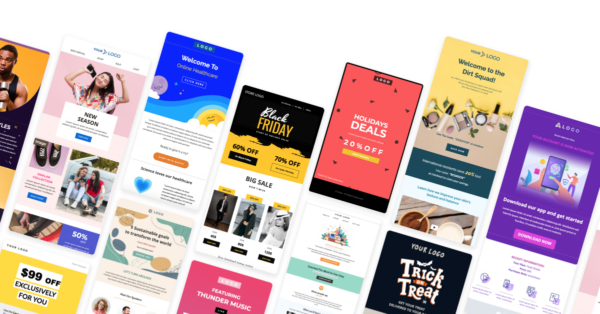 Email blasts work best when the message applies to everyone on your list. These situations favor clarity, speed, and simplicity.
Business announcements
Email blasts are ideal for company updates such as new services, location changes, or important news. One message keeps communication consistent.
Promotions and sales
Seasonal offers and limited-time promotions perform well as mass email. A single send creates awareness without added complexity.
Events and reminders
Email blasts help promote events, webinars, or in-store activities. Reminder emails work especially well when timing matters.
Holiday hours and scheduling updates
Operational changes should reach everyone quickly. Email blasts prevent confusion around closures or adjusted hours.
Newsletters and regular updates
Many small businesses rely on blasts for newsletters. These messages keep your brand visible and reinforce relationships.
Email blasts are most effective when the message is universal. If everyone benefits from the same update, a blast is often the right choice.
Email Blast Metrics That Matter
Email blasts do not require deep analytics. A few core metrics are enough to understand performance and guide improvement.
Open Rate
Open rate shows how many people opened your email. It reflects subject line clarity and sender recognition.
For small businesses, this is often the most useful metric to watch. Consistent opens signal trust and familiarity.
Click-Through Rate
Click-through rate measures how many readers clicked a link inside your email. This indicates message clarity and relevance.
A low click rate often means the call to action needs improvement, not the entire email.
Unsubscribes
Unsubscribes provide important feedback. A small number is normal. Sudden spikes signal a problem.
Common causes include sending too often or pushing promotions too aggressively.
Delivery Rate
Delivery rate shows whether emails reach inboxes successfully. Poor delivery often comes from outdated or invalid addresses.
Regular list cleanup helps protect this metric.
What Small Businesses Should Ignore
Beginners often focus too much on advanced metrics. Heat maps, device breakdowns, and time-on-page are unnecessary at this stage.
Simple tracking supports better decisions without adding complexity.
Email blasts work best when metrics stay manageable. The goal is improvement, not perfection.
When Email Blasts Aren’t Enough
 Email blasts work well until they don’t. This usually happens as a business grows, not because bulk emails failed, but because communication needs change.
As your list gets larger, your audience becomes more diverse. Customers, past customers, and prospects no longer share the same needs or timing. Sending the same message to everyone starts to feel less relevant.
Common signs that email blasts are reaching their limits include:
- Your email list is growing, but engagement is flattening
- You need to send different messages to different groups
- Follow-ups feel manual and inconsistent
- Messages need better timing based on user actions
Growth also introduces complexity. You may want to welcome new subscribers differently than existing customers. You may want to follow up after a purchase or send reminders based on behavior. Email blasts cannot handle these situations well.
Email blasts are not the problem. They simply have limits.
This is the point where businesses begin to explore email marketing. Not to replace them entirely, but to solve problems that blasts cannot.
Understanding this transition helps businesses grow without abandoning what already works.
Email Blasts vs Email Marketing: Knowing When to Make the Shift
Email blasts and email marketing serve different purposes. One is built for simplicity. The other is built for scale.
Bulk blast emails focus on sending one message to everyone at the same time. This works well when the audience is small and the message is universal. The effort stays low, and execution stays fast.
Email marketing introduces structure. Messages are sent based on who someone is, what they do, or where they are in the customer journey. This requires more planning, but it solves problems that email blasts cannot.
Key Differences to Understand
- Audience size – Blasts work best with smaller, familiar lists. Email marketing supports growth and complexity.
- Message relevance – It prioritize speed and clarity. Email marketing prioritizes timing and relevance.
- Effort and setup – Bulk blasts are easy to execute. Email marketing requires tools, strategy, and maintenance.
- Automation and timing – Email blasts are manual. Email marketing responds to behavior and triggers.
When Email Marketing Makes More Sense
Businesses usually consider email marketing when:
- Their list includes multiple audience types
- Personalization becomes necessary
- Follow-ups need to happen automatically
- Email becomes a revenue-driving channel
Email marketing does not replace email blasts overnight. Many businesses continue using both. Blasts handle broad communication, while email marketing handles targeted engagement.
Knowing when to make the shift prevents wasted effort. It allows growth without sacrificing clarity or consistency.
Using Email Blasts and Email Marketing Together
 Email blasts and email marketing do not have to compete. In many businesses, they work best when used together.
It remain useful for broad communication. They handle announcements, updates, and promotions that apply to everyone. Even larger organizations still rely on them for company-wide messages.
Email marketing supports depth. It handles onboarding, follow-ups, nurturing, and personalized communication. These campaigns run in the background and respond to user behavior.
When combined, each approach plays a clear role:
- Email blasts keep your audience informed and engaged at a high level
- Email marketing supports conversion, retention, and long-term growth
This balance allows businesses to stay simple where possible and strategic where necessary. You do not need to choose one or the other right away.
Starting with email blasts builds consistency and confidence. Adding email marketing later builds relevance and scale.
Final Thoughts: Start Simple, Grow Intentionally
Email blasts work best when simplicity matters. For small businesses, they remove friction and make consistent communication achievable.
They help you stay visible, share important updates, and build familiarity with your audience. When done well, they are professional, effective, and respectful of your subscribers’ time.
As your business grows, your email strategy can grow with it. The move toward email marketing should feel intentional, not forced.
Start simple. Learn what works. Then expand when the need is clear.

About the Author
Jason Holicky is the founder of Holicky Corporation, a successful marketing agency in New Lenox, Illinois. With over 25 years of experience, he specializes in marketing consulting, website development, corporate photography, video editing, and social media management. Jason is passionate about helping businesses thrive, generate leads, and stay updated with current marketing methods and technology trends. He is a certified Google Ads expert and AppDirect technology advisor.


Ready to Elevate Your Online Presence? Let’s Get Started!
Take the first step towards a robust online website system with our expert web development services. Whether you’re looking to create a custom website, build a scalable Content Management System, or develop seamless APIs, our team is here to bring your vision to life. Contact us today to discuss your project and discover how our custom solutions can transform your online platform.