


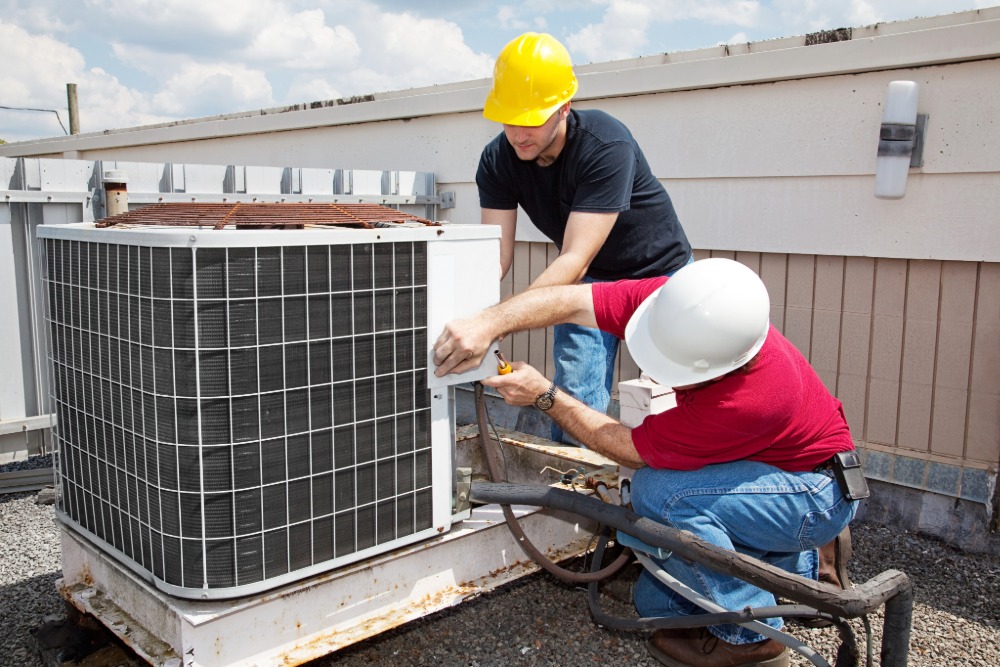
When a homeowner searches for “AC repair near me,” “furnace installation,” or “emergency HVAC service,” they usually need help soon. They are not reading for fun. They are comparing companies, checking reviews, and deciding who to call.
That is why HVAC SEO matters. A strong HVAC SEO strategy helps your heating and cooling company appear when people in your service area search for repairs, replacements, maintenance, indoor air quality, ductwork, and other services you provide. It also helps those searchers feel confident enough to call, request an estimate, or book service online.
HVAC companies face a different search problem than many small businesses. Demand is local, seasonal, and often urgent. A cooling repair page may matter most in July. A furnace replacement page may carry the winter. Maintenance, tune-ups, financing, rebates, reviews, and emergency availability all influence whether someone chooses you or keeps scrolling.
This guide explains the HVAC SEO work that usually matters most: local visibility, service pages, Google Business Profile optimization, reviews, website structure, content, technical SEO, and lead tracking.
What HVAC SEO includes
 HVAC SEO is the process of making your company easier to find in organic search, Google Maps, and local search results. It includes your website, but it also includes the signals around your business.
A practical HVAC SEO plan usually covers:
- Service pages for repair, replacement, installation, maintenance, and tune-ups
- Local SEO for your city, suburbs, and service area
- Google Business Profile optimization
- Review generation and review responses
- Clear business information across important online directories
- Fast, mobile-friendly website design
- Helpful content that answers real customer questions
- Internal links between services, locations, and related resources
- Structured data for local business details
- Conversion tracking for calls, forms, bookings, and estimate requests
The goal is not just more website traffic. The goal is more qualified visibility from people who need HVAC help and live in the areas you serve.
Start with high-intent HVAC searches
Good HVAC SEO starts by understanding how customers search when they are ready to act. Some searches are urgent. Others are research-based. Your website should support both.
High-intent searches often look like:
- “AC repair near me”
- “furnace repair in [city]”
- “HVAC company near me”
- “air conditioner installation cost”
- “heat pump repair”
- “emergency HVAC service”
- “ductless mini split installation”
- “commercial HVAC maintenance”
These searches tell you what pages your website needs. If air conditioning repair is a core service, it should have a dedicated page. If you install heat pumps, furnaces, boilers, indoor air quality products, or ductless systems, those services need clear pages too.
Do not rely on one generic “services” page to rank for everything. Search engines and customers both need more detail. A homeowner with no cooling wants a different answer than a property manager looking for a commercial maintenance plan.
Build service pages around real HVAC jobs
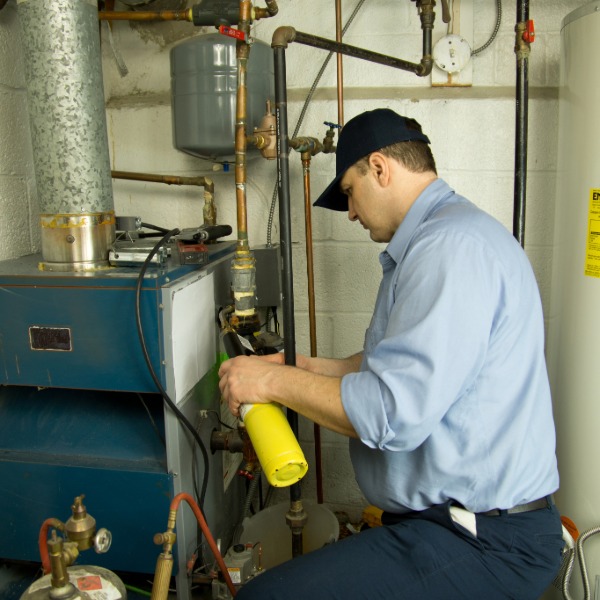 Many HVAC websites underperform because their service pages are too thin. A page that says “we repair air conditioners” and lists a phone number does not give search engines or customers much to work with.
A strong HVAC service page should answer practical questions, such as:
- What problem does this service solve?
- What signs tell a customer they may need help?
- What equipment or systems do you service?
- What happens during the appointment?
- What areas do you serve?
- When should someone call instead of waiting?
- What related services should they consider?
- How can they schedule service or request an estimate?
For example, an AC repair page can mention weak airflow, warm air, refrigerant issues, frozen coils, thermostat problems, unusual noises, short cycling, and rising energy bills. A furnace installation page can discuss comfort, efficiency, equipment sizing, ductwork, ventilation, and replacement timing.
This does not mean every page needs to be stuffed with keywords. It means each page should be useful. The Google SEO Starter Guide explains the importance of creating helpful, reliable content that search engines can crawl and understand. For HVAC companies, helpful content often starts with service pages that reflect the real questions customers ask before booking.
Treat Google Business Profile as a core sales channel
For many HVAC companies, the Google Map Pack is one of the most valuable places to appear. A searcher may see your reviews, phone number, hours, service area, photos, and website link before they ever visit your site.
Google’s guidance on improving local ranking points to relevance, distance, and prominence. HVAC companies cannot control where every searcher stands. They can control how complete, accurate, and active their local presence is.
At minimum, review your Google Business Profile for:
- Correct business name, phone number, website, and service areas
- Accurate primary and secondary categories
- HVAC services listed clearly
- Current hours, including holiday or emergency details
- Photos of technicians, vehicles, equipment, office, and completed work
- Review responses
- Questions and answers
- Appointment or contact links
Service-area businesses should be especially careful with location details. If customers do not visit your office, your profile should be set up in a way that matches Google’s rules and your real business model. Your website should also make your service area easy to understand without pretending you have offices in places you do not.
Use location pages carefully
Local SEO for HVAC often involves city or service-area pages. These can work well when they are genuinely useful. They can also become thin, repetitive pages if each one only swaps the city name.
A useful HVAC location page may include:
- The city or service area served
- Services available in that area
- Local climate or housing context when relevant
- Common HVAC problems in that area
- Scheduling information
- Nearby neighborhoods or communities served
- Testimonials or project examples from that market when available
- Links to core service pages
Avoid creating dozens of nearly identical pages. Search engines do not need 40 copies of the same paragraph with different city names. Customers do not need that either.
If you serve multiple cities, start with the most important markets. Build pages that help real people understand whether you serve their area and what kind of help you provide there.
Make reviews part of the SEO strategy
 Reviews influence trust, calls, and local visibility. They are not just a reputation item. For HVAC companies, reviews often answer the questions customers care about most: Did the technician arrive on time? Was the company honest? Did they explain the repair? Was the home treated respectfully? Did the system work after the visit?
A healthy review strategy should include:
- Asking satisfied customers for reviews after completed work
- Making the review process simple
- Responding to positive and negative reviews professionally
- Looking for patterns in customer feedback
- Using review insights to improve service pages and FAQs
Do not offer incentives that violate platform rules. Do not copy reviews into schema in ways that break Google’s guidelines. Keep the process steady and honest.
Reviews can also help you write better website content. If customers repeatedly mention emergency responsiveness, clean work, clear communication, or financing help, those themes may deserve a place on your service pages.
Build content around seasonal HVAC demand
HVAC search behavior changes throughout the year. Summer brings air conditioning repair, AC replacement, refrigerant, weak airflow, and emergency cooling searches. Fall and winter bring furnace repair, heating maintenance, heat pumps, boilers, and indoor comfort concerns.
A seasonal content plan can support your service pages without competing with them. Examples include:
- “When to schedule an AC tune-up”
- “Signs your air conditioner may need repair”
- “How often should you replace your furnace filter?”
- “Heat pump vs furnace for your home”
- “Why one room is hotter than the rest of the house”
- “What to check before calling for AC repair”
- “How HVAC maintenance plans help prevent surprise breakdowns”
These articles should internally link to relevant service pages. A blog about AC warning signs should link to AC repair. A heating maintenance guide should link to furnace tune-ups or maintenance plans. The blog educates the customer, while the service page captures the conversion.
This structure keeps your content organized. It also helps avoid a common mistake: writing blog posts that compete directly with your most important service pages.
Improve the website experience before buying more traffic
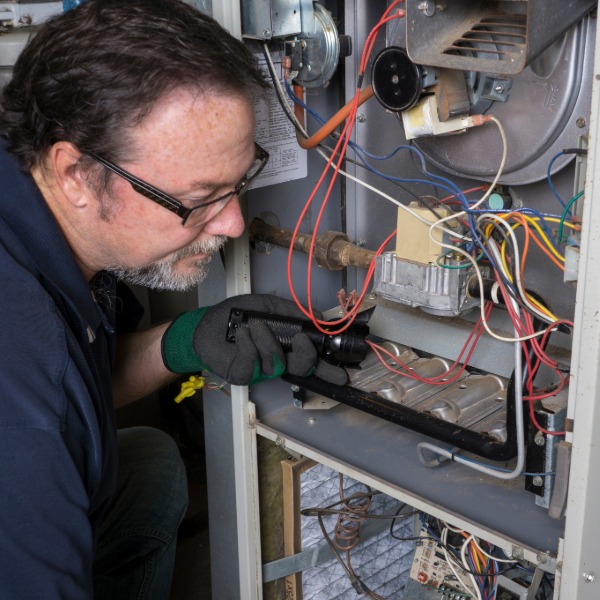 SEO can bring people to your website, but the website still has to turn visitors into leads. HVAC customers often make decisions quickly, especially during extreme weather.
Your website should make the next step obvious. On mobile, visitors should be able to call, schedule, or request an estimate without pinching and searching.
Important website elements include:
- Clear phone number and contact options
- Fast mobile loading
- Simple navigation
- Dedicated pages for major services
- Trust signals such as reviews, certifications, financing options, and warranties when accurate
- Service area information
- Emergency service details if offered
- Forms that are short and easy to complete
- Calls to action near the top and throughout key pages
A beautiful website that hides the phone number will lose calls. A fast website with thin service pages may struggle to rank. The best HVAC SEO strategy connects both: strong search visibility and a website built for action.
Add structured data where it supports the page
Structured data helps search engines understand the information on a page. For HVAC companies, local business schema can clarify your business name, address or service-area details, phone number, hours, website, and related information.
Google’s local business structured data guidance explains the eligible properties and requirements. Schema will not make a weak page rank by itself. It works best when the visible page content is already accurate and useful.
Good candidates for HVAC structured data include:
- LocalBusiness or HVACBusiness markup when appropriate
- Business name, phone number, and URL
- Address or service-area information when applicable
- Opening hours
- SameAs links to official social profiles
- Review or rating markup only when it follows Google’s rules
The key is consistency. Your schema, Google Business Profile, website footer, contact page, and important directories should tell the same story.
Track the leads that matter
 HVAC SEO should be measured by more than rankings. Rankings matter, but they are not the final business outcome.
Track actions such as:
- Phone calls from organic search
- Contact form submissions
- Online booking requests
- Estimate requests
- Direction requests from Google Business Profile
- Clicks from service pages to contact pages
- Leads by service type
- Leads by location when possible
This data helps you make better decisions. If AC repair pages bring many calls but furnace pages do not, you know where to improve. If a blog earns traffic but never leads to a service page, it may need a clearer next step or better internal links.
SEO is not a one-time setup. HVAC markets are competitive, and search behavior changes with seasons, weather, competitors, and customer expectations. Regular tracking helps you adjust before a slow month becomes a larger problem.
Common HVAC SEO mistakes to avoid
Many HVAC companies do some SEO work but miss the pieces that drive calls. Watch for these common mistakes:
- Using one generic page for every service
- Creating thin city pages that repeat the same content
- Ignoring Google Business Profile after setup
- Letting old hours, phone numbers, or service areas stay online
- Publishing blog posts with no internal links to service pages
- Making mobile visitors hunt for the phone number
- Targeting broad keywords while ignoring repair and replacement intent
- Forgetting to ask satisfied customers for reviews
- Measuring only traffic instead of leads
The fix is usually not one magic tactic. It is a stronger system: better pages, better local signals, better content, and better tracking.
How Holicky Corporation approaches HVAC SEO
 HVAC SEO works best when it is practical. Your customers are not looking for marketing jargon. They are looking for a reliable company that can solve a heating or cooling problem.
Holicky Corporation builds SEO strategies around how people actually search, compare, and contact local businesses. For HVAC companies, that often means improving service pages, local SEO, website structure, content, and conversion paths together instead of treating them as separate projects.
A good HVAC SEO plan should answer questions like:
- Which services should have dedicated pages?
- Which cities or service areas deserve more focus?
- Is the Google Business Profile complete and active?
- Are reviews supporting trust?
- Does the website make calls and estimate requests easy?
- Are blog posts supporting revenue pages?
- Which pages are producing real leads?
When those pieces work together, SEO becomes more than a ranking report. It becomes a repeatable way to earn visibility from the people most likely to need your services.
HVAC SEO FAQs
How long does HVAC SEO take to work?
HVAC SEO often takes several months to show meaningful results, especially in competitive markets. Some improvements, such as fixing Google Business Profile details or improving conversion paths, can help sooner. Larger gains from service pages, content, reviews, and authority usually build over time.
Is HVAC SEO better than paid ads?
HVAC SEO and paid ads solve different problems. SEO builds long-term visibility in organic and local search. Paid ads can create faster visibility when you have budget available. Many HVAC companies use both, especially during peak seasons or when entering a new service area.
What pages should an HVAC website have for SEO?
Most HVAC websites need dedicated pages for major services such as AC repair, AC installation, furnace repair, heating installation, maintenance, emergency service, indoor air quality, and any specialty systems offered. Larger companies may also need location pages and commercial HVAC pages.
Does Google Business Profile help HVAC SEO?
Yes. Google Business Profile is a major part of local HVAC SEO. It can influence how your company appears in Google Maps and local results. Accurate categories, services, hours, photos, reviews, and business information all matter.
Can blog posts help an HVAC company get more leads?
Yes, but blog posts should support service pages. A helpful article about AC repair warning signs can bring in research-stage visitors and guide them to an AC repair page. Blogs work best when they answer real customer questions and include clear internal links.
Turn HVAC searches into better leads
HVAC SEO is not about chasing every possible keyword. It is about showing up for the searches that match your services, your locations, and your best customers.
Start with the pages that matter most. Make your local presence accurate. Build trust with reviews. Publish helpful content that supports your service pages. Track the calls and forms that come from your work.
If your HVAC company needs a clearer SEO strategy, Holicky Corporation can help you identify the gaps, strengthen your website, and build a search plan focused on real service calls.

About the Author
Jason Holicky is the founder of Holicky Corporation, a successful marketing agency in New Lenox, Illinois. With over 25 years of experience, he specializes in marketing consulting, website development, corporate photography, video editing, and social media management. Jason is passionate about helping businesses thrive, generate leads, and stay updated with current marketing methods and technology trends. He is a certified Google Ads expert and AppDirect technology advisor.


Ready to Elevate Your Online Presence? Let’s Get Started!
Take the first step towards a robust online website system with our expert web development services. Whether you’re looking to create a custom website, build a scalable Content Management System, or develop seamless APIs, our team is here to bring your vision to life. Contact us today to discuss your project and discover how our custom solutions can transform your online platform.


