


Introduction
In the competitive world of modern marketing, creating a lasting impression is crucial for any brand. One of the most effective ways to achieve this is by showcasing your brand personality through photography. High-quality, thoughtfully crafted images can speak volumes about your brand’s values, style, and story, capturing the attention of your target audience and fostering a deep connection.
Effective use of photography can vividly showcase your brand’s personality, making a lasting impact on your audience. With visuals processed 60,000 times faster than text, the power of imagery in conveying your brand’s message cannot be overstated. Brands that invest in professional photography are perceived as more credible and trustworthy, driving customer engagement and loyalty.
In this guide, we will explore the essential aspects of using photography to showcase your brand personality. We will delve into the importance of visual content, provide practical tips for aligning your visuals with your brand identity, and share inspiring examples of brands that have successfully utilized photography to enhance their image. Whether you’re a small business or a large corporation, this comprehensive guide will equip you with the knowledge and tools to make your brand stand out through the power of photography.
Understanding Brand Personality
What is Brand Personality?
Brand personality refers to the set of human characteristics associated with a brand. It’s the emotional and psychological connection that customers feel towards a brand, which can significantly influence their purchasing decisions. Just as individuals have unique personalities, so do brands. These personalities can be friendly, professional, adventurous, sophisticated, or any other trait that resonates with the target audience. A strong brand personality differentiates a brand from its competitors and fosters customer loyalty.
The Role of Photography in Conveying Brand Personality
Photography plays a pivotal role in conveying your brand personality. Visuals are powerful tools for storytelling, capable of communicating your brand’s values, tone, and style in an instant. Here’s how photography can enhance your brand personality:
- Emotional Connection:
High-quality images can evoke emotions, making your brand more relatable and memorable. For instance, a warm and inviting photo can convey friendliness and approachability, while sleek and modern images can communicate sophistication and innovation. - Consistency in Visual Identity:
Consistent use of photography style, color palette, and imagery across all marketing channels helps in reinforcing your brand identity. A cohesive visual identity builds brand recognition and trust among your audience. - Differentiation:
In a crowded market, unique and compelling images can set your brand apart from competitors. By showcasing your brand personality through photography, you can create a distinct and recognizable presence. - Storytelling:
Photos can tell a story about your brand’s journey, mission, and values. Behind-the-scenes images, product photography, and lifestyle shots all contribute to a narrative that engages your audience and conveys what your brand stands for.
The Psychology of Visuals
Understanding the psychology of visuals is essential for leveraging photography to its full potential. Here are some key psychological principles:
- Color Psychology: Different colors evoke different emotions. For example, blue is often associated with trust and calmness, while red can evoke excitement and urgency. Choose colors that align with your brand personality.
- Composition: The arrangement of elements within a photo can direct the viewer’s attention and convey a specific message. Symmetrical compositions can create a sense of balance and stability, while asymmetrical compositions can evoke energy and movement.
- Imagery and Symbolism: The subjects and objects in your photos can symbolize various attributes. For instance, natural landscapes can represent sustainability and tranquility, while urban settings might symbolize modernity and progress.
By strategically using photography to showcase your brand personality, you can create a compelling and consistent visual identity that resonates with your audience. In the next section, we will explore how to identify and define your brand’s visual style to ensure that your photography aligns perfectly with your brand personality.
Identifying Your Brand’s Visual Style
To effectively showcase your brand personality through photography, it’s crucial to identify and define your brand’s visual style. This ensures that every image you use is consistent with your brand identity and resonates with your target audience. Here are the key steps to help you achieve this:
Audit Your Current Visual Content
Begin by evaluating your existing imagery. Look at your website, social media profiles, marketing materials, and any other platforms where your brand is visually represented. Assess whether these images are consistent and aligned with your brand’s values and personality. Ask yourself:
- Do the images reflect the emotions and messages you want to convey?
- Is there a consistent style, color scheme, and composition across all visuals?
- Are there any visuals that seem out of place or off-brand?
This audit will help you identify areas for improvement and ensure your future photography aligns with your brand personality.
Defining Your Visual Style

Image Source: United by Blue
Once you have a clear understanding of your current visual content, it’s time to define your brand’s visual style. This involves creating a cohesive look and feel that will be reflected in all your photographs. Follow these steps:
- Identify Key Brand Attributes:
List the key attributes that define your brand personality. Are you fun and playful, or serious and professional? These attributes will guide the style of your photography. - Create Mood Boards:
Mood boards are a great way to visually represent your brand’s style. Collect images, colors, textures, and other visual elements that resonate with your brand personality. Use these boards as a reference for your future photography projects. - Develop Style Guides:
A style guide outlines the specific visual elements that should be used in your photography. This includes color palettes, typography, composition guidelines, and any other visual components that are important for maintaining consistency. Share this guide with your photographers to ensure everyone is on the same page.
Incorporating Brand Colors and Typography
Colors and typography are essential components of your brand’s visual identity. Here’s how to effectively incorporate them into your photography:
- Consistent Color Schemes:
Use a consistent color scheme across all your images. This helps in creating a unified look and feel. For example, if your brand colors are blue and white, make sure these colors are prominently featured in your photos. - Typography Integration:
If you use text overlays on your images, ensure that the typography aligns with your brand’s visual style. Consistent use of fonts and text styles can enhance the overall cohesiveness of your visuals.
Creating a Cohesive Visual Style
Creating a cohesive visual style involves more than just consistency in colors and typography. It’s about ensuring that every element in your photos aligns with your brand personality. Here are some additional tips:
- Choose the Right Subjects:
Select subjects and objects that represent your brand values. For example, if your brand emphasizes sustainability, use images of nature, eco-friendly products, and people engaging in environmentally friendly activities. - Maintain a Consistent Tone:
Whether your brand is playful, serious, elegant, or edgy, maintain a consistent tone in all your photographs. This tone should be reflected in the lighting, composition, and overall mood of your images. - Edit for Consistency:
Use consistent editing techniques to create a unified look. This includes color grading, filters, and retouching styles. Consistent editing helps in reinforcing your brand identity and making your images instantly recognizable.
By taking the time to identify and define your brand’s visual style, you ensure that your photography not only showcases your brand personality but also creates a lasting impression on your audience. In the next section, we will explore the different types of photography that can be used to effectively highlight your brand personality.
Types of Photography to Showcase Brand Personality
To effectively showcase your brand personality through photography, it’s essential to utilize a variety of photographic styles and approaches. Each type of photography can highlight different aspects of your brand, creating a comprehensive and engaging visual identity. Here are the main types of photography you should consider:
1. Product Photography

Product photography is crucial for any brand that sells physical goods. High-quality images of your products can make a significant impact on potential customers. Here’s how to make the most of product photography:
- Highlight Features and Benefits: Focus on the unique features and benefits of your products. Use close-up shots to showcase details and textures that set your products apart from competitors.
- Consistent Backgrounds: Use consistent backgrounds to create a cohesive look. White backgrounds are popular for e-commerce, but lifestyle backgrounds can add context and personality.
- Creative Angles: Experiment with different angles to make your products stand out. Overhead shots, macro shots, and dynamic angles can add interest and appeal.
2. Lifestyle Photography
Lifestyle photography goes beyond the product itself and shows it in use. This type of photography helps customers envision how the product fits into their lives, making it more relatable and desirable.
- Real-Life Scenarios: Capture your products being used in real-life scenarios. Show how they solve problems or enhance experiences for your target audience.
- Authentic Interactions: Use models or real customers to demonstrate your products in action. Authentic interactions create an emotional connection with your audience.
- Natural Settings: Choose natural settings that align with your brand values. Whether it’s a cozy home, an outdoor adventure, or a bustling cityscape, the setting should reflect your brand personality.
3. Behind-the-Scenes Shots
Behind-the-scenes photography humanizes your brand by giving a glimpse into the people and processes behind your products. This builds trust and transparency, making your brand more approachable and authentic.
- Workplace Environment: Show your team at work, whether it’s in the office, studio, or production facility. Highlight the craftsmanship and dedication that goes into your products.
- Team Dynamics: Capture candid moments of your team collaborating, brainstorming, or celebrating milestones. This showcases a positive and dynamic company culture.
- Process Highlights: Document the stages of product development or service delivery. This gives customers an inside look at the effort and care involved in creating your offerings.
4. User-Generated Content
User-generated content (UGC) involves images and videos created by your customers. UGC is a powerful tool for showcasing brand personality because it provides authentic and relatable content directly from your audience.
- Encourage Sharing: Motivate customers to share their photos and experiences with your products on social media. Create branded hashtags to make it easy to find and curate this content.
- Feature Customer Photos: Highlight customer photos on your website, social media channels, and marketing materials. This not only provides social proof but also builds a sense of community.
- Engage with Customers: Interact with customers who share their photos. Like, comment, and share their posts to show appreciation and encourage further engagement.
5. Editorial Photography
Editorial photography is often used in blogs, magazines, and other content marketing efforts. It focuses on storytelling and creating a narrative around your brand.
- Story-Driven Images: Use images that tell a story or convey a message related to your brand. These could be themed photoshoots that align with your marketing campaigns or seasonal promotions.
- Creative Concepts: Think outside the box and create visually striking images that capture attention. This type of photography allows for more artistic and conceptual approaches.
- Brand Alignment: Ensure that the editorial images align with your overall brand aesthetic and messaging. Consistency is key to maintaining a cohesive brand identity.
By incorporating these various types of photography into your marketing strategy, you can create a rich and multifaceted visual representation of your brand. Each type of photography offers unique opportunities to showcase your brand personality through photography, making your brand more relatable, trustworthy, and memorable.
In the next section, we will discuss practical tips for creating consistent and authentic brand photography, whether you’re working with a professional photographer or taking a DIY approach.
Tips for Creating Consistent and Authentic Brand Photography
Creating consistent and authentic brand photography is essential for building a strong visual identity that resonates with your audience. Whether you choose to work with professional photographers or take a DIY approach, here are some practical tips to ensure your brand personality shines through every image.
1. Hiring Professional Photographers
Hiring a professional photographer can significantly enhance the quality of your brand’s visuals. Here’s how to make the most of working with professionals:
- Research and Select the Right Photographer: Look for photographers whose style aligns with your brand personality. Review their portfolios to see if they have experience in your industry and can capture the essence of your brand.
- Communicate Your Vision Clearly: Provide the photographer with a detailed brief that includes your brand’s visual style, key messages, and desired outcomes. Share your mood boards and style guides to ensure they understand your vision.
- Collaborate During the Photoshoot: Be actively involved in the photoshoot to ensure the images align with your expectations. Provide feedback and make adjustments as needed to capture the perfect shots.
2. DIY Photography Tips
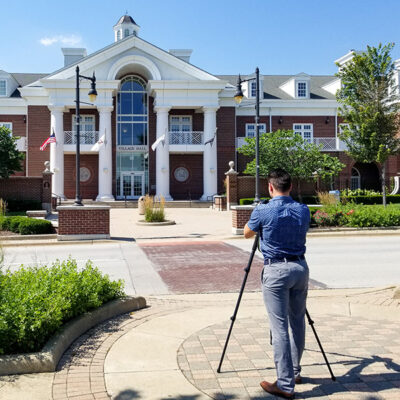
If you prefer a hands-on approach, here are some tips for creating high-quality DIY brand photography:
- Invest in Good Equipment: While you don’t need the most expensive gear, investing in a decent camera, tripod, and lighting can make a significant difference. Smartphone cameras can also be effective with the right accessories and techniques.
- Master the Basics of Photography: Learn the fundamentals of composition, lighting, and exposure. Online tutorials and photography courses can help you improve your skills and achieve professional-looking results.
- Use Natural Light: Whenever possible, use natural light to create soft, flattering images. Avoid harsh, direct sunlight, and opt for early morning or late afternoon light for the best results.
- Edit for Consistency: Post-processing is crucial for maintaining a consistent look across all your images. Use editing software to adjust colors, brightness, and contrast, ensuring that all photos align with your brand’s visual style.
3. Creating a Visual Style Guide
A visual style guide is a valuable tool for maintaining consistency in your brand photography. Here’s how to create one:
- Define Your Brand Colors: Clearly specify your brand’s color palette and how it should be used in photography. Include examples of acceptable color combinations and variations.
- Specify Typography: If you use text overlays on your images, include guidelines for font choices, sizes, and styles. Consistent typography enhances the overall cohesiveness of your visuals.
- Set Composition Rules: Outline the preferred composition techniques, such as the rule of thirds, leading lines, and symmetry. Providing examples can help ensure everyone follows the same principles.
- Include Examples: Provide a collection of sample images that exemplify your brand’s visual style. These examples serve as a reference for photographers and designers, ensuring consistency across all visuals.
4. Using Stock Photos Wisely
Stock photos can be a cost-effective solution, but it’s essential to choose and customize them carefully to align with your brand personality:
- Select Relevant Images: Choose stock photos that resonate with your brand’s values and style. Avoid generic images that don’t add value to your visual storytelling.
- Customize to Fit Your Brand: Use editing software to adjust stock photos, ensuring they match your brand’s color palette and visual style. Adding overlays, filters, or text can help integrate them seamlessly into your marketing materials.
- Maintain Consistency: Ensure that all stock photos used across different platforms maintain a consistent look and feel. This consistency helps reinforce your brand identity and makes your visuals more recognizable.
5. Ensuring Authenticity
Authenticity is key to building trust and connection with your audience. Here’s how to ensure your brand photography feels genuine:
- Show Real People: Use real customers, employees, or brand advocates in your photos instead of models. This adds authenticity and makes your brand more relatable.
- Capture Candid Moments: Authenticity shines through in candid shots. Encourage natural interactions and genuine expressions to create relatable and engaging images.
- Highlight Your Unique Story: Focus on the unique aspects of your brand’s story and values. Whether it’s your production process, community involvement, or company culture, showcasing these elements adds depth to your brand photography.
By following these tips, you can create consistent and authentic brand photography that effectively showcases your brand personality. Whether working with professionals or taking a DIY approach, the key is to maintain a clear vision and stay true to your brand’s identity.
In the next section, we will look at examples of brands that have successfully showcased their personality through photography, providing inspiration and practical insights you can apply to your own visual strategy.
Examples of Brands Successfully Showcasing Their Personality Through Photography
Seeing how other brands have successfully used photography to showcase their personality can provide valuable insights and inspiration. Here are examples of brands that have effectively used photography to convey their unique identities and engage their audiences.
1. Case Study: Airbnb

Overview of Their Visual Strategy:
Their photography strategy focuses on creating a sense of belonging and community. Airbnb’s images on Instagram often feature real homes and authentic experiences, reflecting their core values of trust and hospitality.
Analysis of Specific Photography and Its Impact:
- Real-Life Scenarios: Airbnb uses photos of actual homes and neighborhoods, often with the hosts or guests included. This adds authenticity and helps potential customers visualize their stay.
- Emotional Connection: The images evoke feelings of warmth, comfort, and adventure, aligning perfectly with their brand promise of making travelers feel at home anywhere in the world.
- User-Generated Content: Encouraging hosts and guests to share their own photos has expanded Airbnb’s visual library and strengthened the community feel.
2. Case Study: Glossier

Overview of Their Visual Strategy:
Glossier, a beauty brand, emphasizes simplicity, inclusivity, and authenticity in their photography. Their images are often minimalistic, focusing on real people with diverse skin types and tones using their products.
Analysis of Specific Photography and Its Impact:
- Minimalistic Aesthetic: Glossier’s clean and simple photos highlight the natural beauty of their users and products, reinforcing their message of skin first, makeup second.
- Inclusivity: By featuring a diverse range of models, Glossier promotes inclusivity and appeals to a broader audience.
- Relatable Imagery: The brand often uses user-generated content, showcasing real customers using their products in everyday settings. This makes the brand feel more relatable and trustworthy.
3. Case Study: Nike
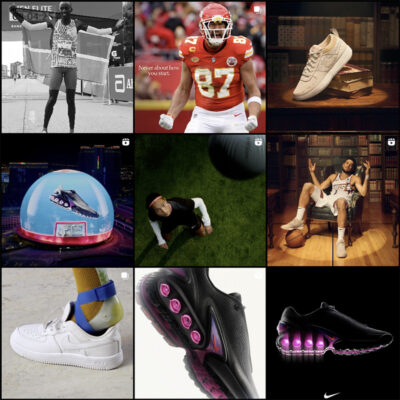
Overview of Their Visual Strategy:
Nike’s photography on Instagram is bold, dynamic, and inspirational, reflecting their brand values of athleticism, determination, and innovation. Their images often feature athletes in action, pushing their limits.
Analysis of Specific Photography and Its Impact:
- Dynamic Action Shots: Nike’s photos capture athletes in motion, showcasing the performance and durability of their products. This reinforces their identity as a brand for serious athletes.
- Emotional Storytelling: The images are often accompanied by powerful storytelling, highlighting personal triumphs and challenges. This creates an emotional connection with the audience.
- High-Quality Production: Professional, high-quality images ensure that Nike’s products are presented in the best possible light, maintaining the brand’s premium image.
4. Case Study: Patagonia

Overview of Their Visual Strategy:
Patagonia, an outdoor apparel brand, uses photography to emphasize their commitment to environmental sustainability and adventure. Patagonia’s images on Instagram often feature stunning natural landscapes and their products in use in extreme conditions.
Analysis of Specific Photography and Its Impact:
- Environmental Focus: Photos of breathtaking landscapes and outdoor activities align with Patagonia’s environmental advocacy and appeal to nature lovers.
- Authenticity: By featuring real adventurers and environmental activists, Patagonia reinforces their credibility and dedication to their cause.
- Product Durability: Images of their gear in challenging conditions highlight the durability and functionality of their products, essential for their adventurous customer base.
5. Case Study: Warby Parker
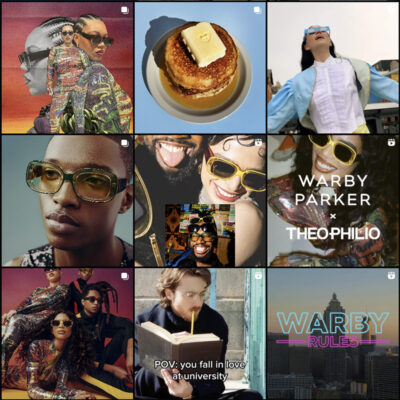
Overview of Their Visual Strategy:
Warby Parker, an eyewear company, uses a fun and approachable photography style to reflect their innovative and customer-centric brand personality. Their images on Instagram are bright, clean, and often feature a playful element.
Analysis of Specific Photography and Its Impact:
- Playful Elements: Warby Parker incorporates playful elements and props in their photoshoots, making their brand feel approachable and fun.
- Bright and Clean Aesthetic: The use of bright colors and clean lines in their photography creates a modern and fresh look, appealing to their target audience.
- Customer-Centric Approach: Featuring real customers and their stories in their imagery fosters a sense of community and trust.
These examples demonstrate how effective brand photography can vividly showcase a brand’s personality, create emotional connections, and engage audiences. By studying these successful brands, you can gather inspiration and practical ideas to apply to your own visual strategy.
Conclusion
Showcasing your brand personality through photography is a powerful way to connect with your audience and differentiate your brand in a crowded market. From understanding your brand personality and defining your visual style to utilizing various types of photography and ensuring consistency and authenticity, each step plays a crucial role in creating a compelling visual identity.
By studying successful brands like Airbnb, Glossier, Nike, Patagonia, and Warby Parker, we see the impact that thoughtfully crafted photography can have on brand perception and customer engagement. These brands have mastered the art of using visuals to tell their stories, evoke emotions, and build trust with their audiences.
As you develop your own photography strategy, remember that the key lies in authenticity, consistency, and a clear representation of your brand’s values and personality. High-quality, well-aligned visuals can make a significant difference in how your brand is perceived and can drive deeper connections with your audience.
Ready to Transform Your Brand with Professional Photography?
Captivating visuals are just a click away! Our team of experienced commercial photographers is here to help you showcase your brand personality through stunning imagery. Whether you need product photography, lifestyle shots, or behind-the-scenes content, we’ve got you covered. Reach out to us today and take the first step towards transforming your brand’s visual identity!

About the Author
Jason Holicky is the founder of Holicky Corporation, a successful marketing agency in New Lenox, Illinois. With over 25 years of experience, he specializes in marketing consulting, website development, corporate photography, video editing, and social media management. Jason is passionate about helping businesses thrive and staying updated with marketing and technology trends. He is a certified Google Ads expert and AppDirect technology advisor.


Ready to Elevate Your Online Presence? Let’s Get Started!
Take the first step towards a robust online website system with our expert web development services. Whether you’re looking to create a custom website, build a scalable Content Management System, or develop seamless APIs, our team is here to bring your vision to life. Contact us today to discuss your project and discover how our custom solutions can transform your online platform.