


Instagram boasts over 1 billion active monthly users, making it a goldmine for businesses looking to reach potential customers. Utilizing Instagram Ads can significantly enhance your brand’s visibility and generate valuable leads. However, one of the most pressing questions businesses have is, “What does Instagram ads cost?”
Understanding the cost of Instagram ads is crucial for effectively budgeting your marketing efforts and maximizing your return on investment (ROI). This comprehensive guide will delve into the various factors influencing Instagram ads cost, compare it to other platforms like Facebook, and provide expert tips on how to optimize your ad spend. Whether you’re new to Instagram advertising or looking to refine your strategy, this guide will equip you with the knowledge needed to make informed decisions and achieve your marketing goals.
Understanding Instagram Ad Costs

When considering advertising on Instagram, it’s essential to grasp the different metrics that influence Instagram ads cost. These costs can vary significantly based on factors like your industry, target audience, and overall campaign goals. Here’s a detailed look at the core cost metrics:
Cost per Click (CPC)
Cost per Click (CPC) refers to the amount you pay each time someone clicks on your ad. On Instagram, the average CPC ranges from $0.00 to $0.75. Several factors impact CPC, including:
- Competition: High competition in your industry can drive up CPC.
- Bid Amount: The amount you’re willing to pay for each click influences the final cost.
- Ad Relevancy: Ads with higher relevancy scores generally cost less per click.
Cost per Impression (CPM)
Cost per Mille (CPM), or cost per 1,000 impressions, measures the cost of your ad being seen 1,000 times. Instagram’s average CPM ranges from $0.00 to $6.00. Factors that affect CPM include:
- Ad Type: Different ad formats (e.g., video vs. photo ads) can have varying CPMs.
- Target Audience: More specific targeting can lead to higher CPMs.
- Time of Year: Costs can rise during peak advertising seasons, like holidays.
Cost per Engagement (CPE)
Cost per Engagement (CPE) calculates the cost based on user interactions with your ad, such as likes, comments, and shares. The average CPE on Instagram is between $0.03 and $0.08. Influential factors include:
- Ad Content: Engaging and visually appealing content tends to lower CPE.
- Audience Engagement: Ads targeting highly interactive audiences often achieve better engagement rates at lower costs.
- Campaign Goals: Specific goals, like boosting engagement, can influence the bid strategy and overall CPE.
By understanding these metrics, you can better estimate your Instagram ads cost and plan your budget accordingly. The next sections will dive deeper into the factors influencing these costs and how you can optimize your ad spend for maximum ROI.
Factors Influencing Instagram Ad Costs
 Several key factors determine the cost of your Instagram ads. By understanding these factors, you can strategically plan and adjust your campaigns to maximize efficiency and return on investment.
1. Bid Amount
Your bid amount plays a crucial role in determining Instagram ad costs. This is the maximum amount you’re willing to pay for a click, impression, or engagement. Instagram uses a bidding system where advertisers compete for ad placements. The higher your bid, the more likely your ad will be displayed, but it will also increase your overall costs.
- Example: If you set a bid amount of $2 per click with a $500 budget, you can achieve 250 clicks. Increasing the budget to $1000 with the same bid would yield 500 clicks. Lowering the bid to $0.50 could result in more clicks within the same budget.
2. Ad Relevancy Score
The relevancy score measures how relevant your ad is to the audience it targets. Instagram prioritizes ads that are engaging and pertinent to users. A higher relevancy score can lower your ad costs because Instagram rewards ads that perform well with better placements and lower costs.
- Positive Responses: Clicks, comments, likes, shares, and conversions.
- Negative Responses: Ad hides, reports, or low engagement rates.
3. Estimated Action Rates
Estimated action rates are predictions made by Instagram about how likely users are to interact with your ad. This includes actions like clicking, liking, commenting, and converting. Ads with higher estimated action rates are generally cheaper because they are more likely to engage users.
- Impact: High estimated action rates can lower your bid amount and increase your ad’s visibility.
4. Competition
The level of competition for your target audience significantly affects your ad costs. If multiple businesses are targeting the same demographic, a bidding war can drive up costs. Understanding your competition and finding less saturated segments of your market can help manage costs.
- Strategies: Focus on niche markets or adjust targeting parameters to reduce competition.
Additional Influencing Factors
- Holidays and Events
Advertising costs often rise during peak seasons, such as holidays and major events, due to increased competition. Plan your campaigns around these periods to budget accordingly. - Gender Targeting
Advertising to females typically costs more than targeting males, as females are more likely to engage with content on Instagram. Adjust your targeting and budget to account for these differences. - Day of the Week
User engagement varies throughout the week, with higher engagement typically occurring on weekdays. Plan your ad schedules to align with these engagement patterns to optimize costs. - Market Type
The nature of your market also influences costs. B2B companies might face higher costs due to a smaller audience base compared to B2C companies. Industries like apparel, which are highly competitive, tend to have higher ad costs.
By understanding and strategically managing these factors, you can better control your Instagram ad costs and achieve more effective ad campaigns. The next section will explore the various types of Instagram ads and their specific benefits and considerations.
Types of Instagram Ads
Instagram offers a variety of ad formats, each with unique benefits and considerations. Understanding these options can help you choose the best format for your campaign goals and optimize your Instagram ads cost.
1. Story Ads
Story ads appear between users’ stories and offer a full-screen, immersive experience. With over 500 million users engaging with Instagram Stories daily, story ads are a powerful way to connect with your audience.
- Benefits: High engagement rate, visually immersive, no distractions.
- Best Practices: Use high-quality videos, clear CTAs, and keep the message concise.
2. Photo Ads
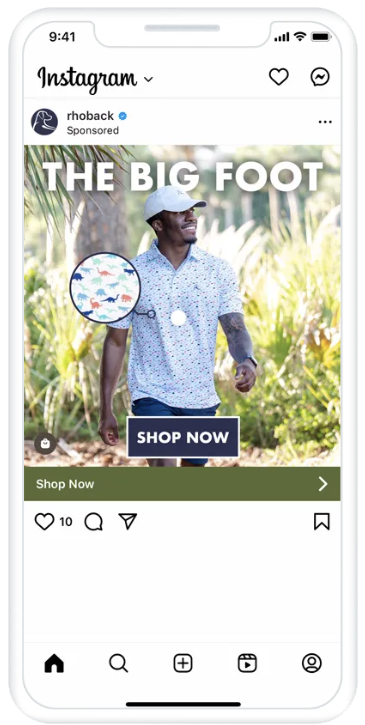 Photo ads are the traditional Instagram ad format, appearing in users’ feeds. These ads feature a single image and a CTA button.
- Benefits: Simple to create, familiar format for users.
- Best Practices: Use high-quality, original images that align with Instagram’s aesthetic. Ensure the photo is visually appealing and relevant to your audience.
3. Video Ads
Video ads appear in users’ feeds and can be up to 60 seconds long. Videos start playing automatically, which helps capture users’ attention.
- Benefits: Engaging format, more room for storytelling.
- Best Practices: Ensure the first few seconds are captivating, use subtitles for users who view without sound, and keep the content relevant and high-quality.
4. Carousel Ads
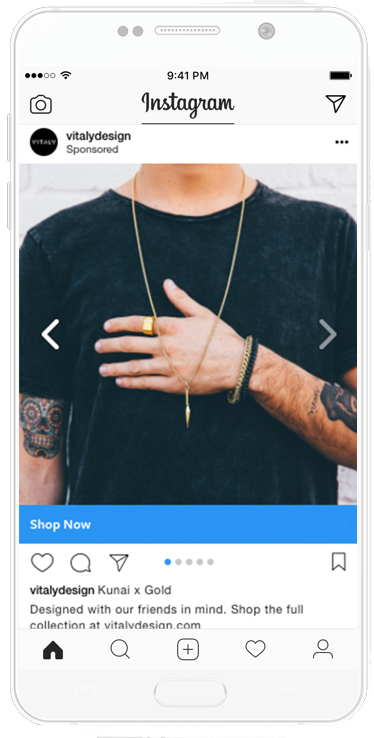
Carousel ads allow you to showcase multiple images or videos in a single ad. Users can swipe through the content, making it ideal for displaying a series of products or telling a multi-part story.
- Benefits: Versatile, engaging, and great for showcasing a range of products or features.
- Best Practices: Use high-quality visuals, maintain a cohesive theme, and ensure each slide adds value.
5. Shopping Ads
Shopping ads integrate with Instagram Checkout, allowing users to view and purchase products directly from the app. These ads are perfect for eCommerce businesses.
- Benefits: Streamlined shopping experience, high conversion potential.
- Best Practices: Use clear, high-quality images of products, provide detailed descriptions, and ensure a seamless checkout process.
6. Collection Ads
Collection ads combine features of carousel and shopping ads, showcasing a large cover image with smaller product images underneath. When users click, they are taken to a full-screen landing page.
- Benefits: Immersive shopping experience, highlights multiple products.
- Best Practices: Use eye-catching cover images, ensure product images are clear and detailed, and optimize the landing page for conversions.
7. Explore Ads
Explore ads appear in the Explore tab, where users discover new content. These ads expand to a full post when clicked, providing a significant opportunity to reach new audiences.
- Benefits: High visibility, reach users interested in new content.
- Best Practices: Use engaging visuals, relevant to trending topics, and clear CTAs.
8. Reels Ads
Reels ads are 15-second multi-clip videos that appear in the Reels section. These full-screen, vertical videos offer a creative way to engage users.
- Benefits: High engagement potential, integrates seamlessly with user-generated content.
- Best Practices: Use creative and dynamic content, include popular music or effects, and ensure the ad feels native to the platform.
Choosing the right type of ad for your campaign can help you achieve your marketing goals more effectively while managing Instagram ads cost. The next section will compare Instagram ads with Facebook ads to help you decide where to allocate your budget for the best results.
Comparing Instagram and Facebook Ads

Both Instagram and Facebook are powerful platforms for social media advertising, each with its own set of advantages. Understanding the differences in costs, demographics, and performance metrics can help you decide where to allocate your advertising budget more effectively.
Cost Comparison
- Cost per Click (CPC):
- Instagram: $0.20 – $2.00
- Facebook: $0.97 (average)
- Cost per Thousand Impressions (CPM):
- Instagram: $6.70
- Facebook: $7.19
Demographic Targeting
- Instagram:
- Predominantly used by younger demographics (18-29 years old).
- Highly visual platform, ideal for brands with strong visual content.
- Strong engagement with fashion, lifestyle, and entertainment content.
- Facebook:
- Broader age range, with significant usage among 30-49-year-olds.
- More diverse content types, including news, articles, and text-based posts.
- Effective for a wide range of industries, including B2B.
Performance Metrics
- Engagement Rates: Instagram has higher engagement rates compared to Facebook. Rival IQ found that Instagram’s engagement rate is significantly higher across most industries.
- Average Order Value: According to Shopify, Instagram users spend an average of $65 per order, compared to $55 for Facebook users.
- Click-Through Rates (CTR): Instagram often delivers higher CTRs due to its highly engaging and visual nature.
Choosing the Right Platform
Campaign Goals:
- If your primary goal is to reach a younger audience with visually appealing content, Instagram is likely the better choice.
- For campaigns targeting a broader age range or needing more diverse content formats, Facebook might be more effective.
Budget Considerations:
- Instagram ads may be more cost-effective for brands that thrive on high engagement and visual content.
- Facebook offers comprehensive targeting options and can be more suitable for varied industries.
Case Studies and Insights
- Rival IQ Study: Analysis of 2,100 engaging brands shows Instagram leads in engagement.
- Shopify Report: Instagram users have higher average order values, indicating better conversion rates for eCommerce.
By carefully considering these factors, you can determine the best platform to achieve your marketing objectives while managing your Instagram ads cost effectively. The next section will provide expert tips on how to optimize your Instagram ad spend and maximize your return on investment.
How to Optimize Instagram Ad Costs

Maximizing the return on your Instagram ad spend involves a combination of strategic planning, precise targeting, and continuous optimization. Here are expert tips to help you get the most out of your Instagram advertising budget.
1. Use Automatic Bidding
Automatic bidding is an excellent starting point, especially if you’re new to Instagram advertising. This feature allows Instagram to set the optimal bid for your ads based on your campaign goals, helping you avoid overbidding and ensuring cost efficiency.
Benefits:
- Simplifies the bidding process.
- Helps determine the best bid amount with minimal manual adjustments.
When to Use:
- When launching initial campaigns without historical data.
- For small to medium-sized budgets where precision is less critical.
2. Utilize Precise Targeting
Precise targeting ensures your ads reach the most relevant audience, improving engagement and lowering costs. Instagram allows targeting based on various parameters:
- Location: Target users by country, state, city, or even specific postal codes.
- Demographics: Filter audiences by age, gender, language, and more.
- Interests: Reach users based on their interests and activities on Instagram.
- Behaviors: Target users based on their past interactions and behaviors.
- Custom Audiences: Import customer data (e.g., email lists) to create custom audiences.
- Lookalike Audiences: Find new users similar to your existing customers.
- Benefits:
- Enhances ad relevancy and engagement.
- Reduces wasteful ad spend on uninterested users.
3. Set Clear Goals
Defining clear, measurable goals for your Instagram ad campaigns is crucial for success. Your goals will guide your strategy and help you measure performance accurately.
- Awareness: Increase brand or product awareness. Focus on CPM campaigns.
- Consideration: Drive more website traffic, video views, or engagement. Optimize for clicks, views, and leads.
- Conversion: Encourage purchases, app installs, or other high-value actions. Use persuasive ad copy and CTAs to drive conversions.
- Benefits:
- Keeps your campaigns focused and aligned with business objectives.
- Facilitates better tracking and optimization.
4. Create Relevant Landing Pages
Ensure that your ad links direct users to relevant landing pages that match the ad content. This increases the likelihood of conversions and reduces bounce rates.
Benefits:
- Enhances user experience by providing consistent messaging.
- Increases conversion rates by directing users to specific product or service pages.
Best Practices:
- Align landing page content with the ad’s message and visuals.
- Optimize landing pages for mobile users.
- Include clear CTAs to guide user actions.
5. Test and Optimize Ads
Regularly testing and optimizing your ads is essential for maintaining performance and cost-efficiency. A/B testing different elements of your ads can provide valuable insights.
Elements to Test:
- Ad copy: Headlines, descriptions, and CTAs.
- Visuals: Images, videos, and ad formats.
- Targeting: Different audience segments and targeting criteria.
- Bidding: Automatic vs. manual bidding strategies.
Benefits:
- Identifies the most effective ad components.
- Helps reduce costs by focusing on high-performing ads.
Best Practices:
- Test one variable at a time for clear results.
- Use performance data to refine and improve future ads.
By implementing these strategies, you can optimize your Instagram ads cost and achieve better results from your campaigns. The next section will explore additional best practices to further reduce costs and enhance the effectiveness of your Instagram advertising.
Best Practices for Lowering Instagram Ad Costs

Implementing best practices can help you reduce Instagram ad costs while maximizing the effectiveness of your campaigns. Here are several proven strategies to help you get the most value from your advertising budget:
1. Use User-Generated Content (UGC)
Incorporating user-generated content into your ads can significantly boost engagement and reduce costs. UGC resonates well with audiences as it feels more authentic and relatable.
Benefits:
- Increases trust and authenticity.
- Often more cost-effective than producing new content.
Example: Toyota increased its ad engagement by 440% using UGC in their “Feeling The Street” campaign.
2. Leverage Major Events and Holidays
Timing your ads around major events and holidays can increase visibility and engagement. However, be mindful of the increased competition during these periods, which can drive up costs.
Benefits:
- Higher engagement rates during peak times.
- Opportunities to capitalize on seasonal trends.
Strategies:
- Plan campaigns around key dates (e.g., Black Friday, Christmas).
- Adjust budgets to account for increased competition.
3. Consider Gender and Demographic Targeting
Targeting demographics that are more likely to engage with your ads can help optimize costs. For instance, while targeting females might cost more, it can also lead to higher engagement rates.
Benefits:
- More precise targeting improves ad relevancy.
- Higher engagement rates can lower overall costs.
Considerations:
- Analyze past campaign data to identify high-performing demographics.
- Adjust targeting parameters to focus on the most responsive audience segments.
4. Optimize Ad Scheduling
User engagement varies throughout the week. Scheduling your ads to run during peak engagement times can enhance visibility and interaction rates.
Benefits:
- Improved ad performance during high-engagement periods.
- Potential cost savings by avoiding low-engagement times.
Best Practices:
- Use Instagram Insights to identify peak engagement times for your audience.
- Schedule ads to run during these times for maximum impact.
5. Focus on High-Quality Creative
Investing in high-quality visuals and compelling ad copy can significantly improve your ad performance. Ads that stand out visually are more likely to capture users’ attention and drive engagement.
Benefits:
- Higher engagement rates lead to lower CPC and CPE.
- Strong visuals can enhance brand perception and recall.
Best Practices:
- Use professional photography and design tools to create eye-catching ads.
- Ensure ad copy is clear, concise, and compelling.
6. Monitor and Adjust Budgets Regularly
Regularly reviewing and adjusting your ad budgets based on performance data can help you allocate resources more effectively. Monitor key metrics and make data-driven decisions to optimize your spend.
Benefits:
- Ensures budget is used efficiently.
- Helps identify underperforming ads for timely adjustments.
Strategies:
- Set up regular performance reviews (e.g., weekly or bi-weekly).
- Use data to reallocate budgets to high-performing ads and campaigns.
By applying these best practices, you can manage your Instagram ads cost more effectively and achieve better results from your campaigns. The next section will discuss how to launch and manage your Instagram ads for optimal performance.
Launching and Managing Instagram Ads
 Launching and managing Instagram ads effectively requires a systematic approach to ensure optimal performance and cost efficiency. Here’s how to get started and keep your campaigns running smoothly:
Launching Instagram Ads
There are three primary methods for launching Instagram ads:
- Within the Instagram App:
You can promote posts directly from the Instagram app, making it easy to turn existing content into ads.
Steps:- Go to your Instagram profile and select the post you want to promote.
- Tap the “Promote” button.
- Set your ad details, including target audience, budget, and duration.
- Review and confirm your promotion.
- Using Facebook Ads Manager:
Facebook Ads Manager offers a comprehensive tool for creating and managing Instagram ad campaigns.
Steps:- Open Facebook Ads Manager and click “Create” to start a new campaign.
- Choose your campaign objective (e.g., brand awareness, traffic, conversions).
- Define your audience using detailed targeting options.
- Set your budget and schedule.
- Design your ad by selecting ad format, adding images or videos, and crafting your ad copy.
- Review your ad settings and submit your campaign for approval.
- Partnering with Instagram Experts:
If you’re short on time or need additional expertise, consider working with Instagram partners.Benefits:- Access to experienced professionals vetted by Instagram.
- Assistance with ad creation, targeting, and optimization.
- Ideal for businesses without in-house social media marketing teams.
Managing Instagram Ads
Effective ad management involves continuous monitoring, analysis, and adjustment. Here’s how to manage your campaigns for sustained success:
- Monitor Performance:
Regularly check your ad performance metrics to track progress and identify areas for improvement.Key Metrics to Monitor:- Impressions
- Clicks
- Click-Through Rate (CTR)
- Cost per Click (CPC)
- Cost per Thousand Impressions (CPM)
- Engagement Rate
- Conversion Rate
- Adjust Targeting and Bidding:
Based on performance data, adjust your targeting and bidding strategies to optimize results.Strategies:- Refine audience targeting based on demographic and behavioral insights.
- Adjust bid amounts to balance cost and performance.
- Experiment with different ad formats and creatives to see what resonates best with your audience.
- A/B Testing:
Implement A/B testing to compare different versions of your ads and identify the most effective elements.Elements to Test:- Headlines and ad copy
- Images and videos
- Call-to-Action (CTA) buttons
- Audience segments
- Bidding strategies
- Optimize Landing Pages:
Ensure that your landing pages are optimized for conversions. A seamless and relevant user experience can significantly improve your ad performance.Best Practices:- Align landing page content with ad messaging.
- Use clear and compelling CTAs.
- Optimize for mobile devices.
- Test different landing page designs and layouts.
- Budget Allocation:
Regularly review your budget allocation to ensure it aligns with your campaign goals and performance data.Strategies:- Allocate more budget to high-performing ads and campaigns.
- Reduce spend on underperforming ads.
- Adjust budgets based on seasonal trends and market conditions.
By following these steps, you can effectively launch and manage your Instagram ad campaigns, ensuring you get the best return on your investment. The next section will address common questions and concerns about Instagram ad costs and provide additional resources for further learning.
Utilizing Instagram Analytics for Better Ad Performance
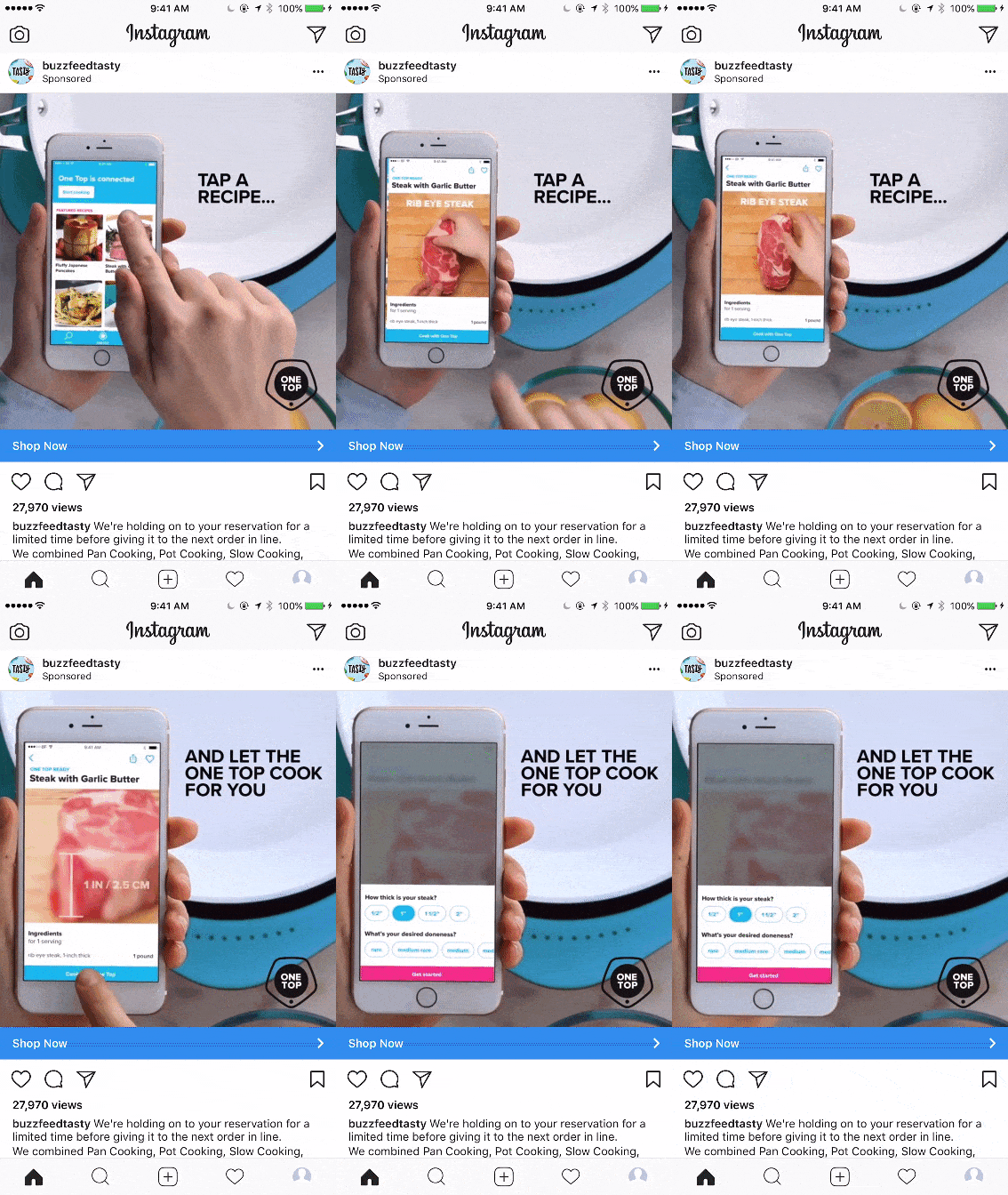
To optimize your Instagram ad campaigns and make informed decisions, leveraging Instagram’s built-in analytics tools is essential. Instagram Analytics provides valuable insights into how your ads are performing, who your audience is, and how they interact with your content.
-
Understanding Instagram Insights
Instagram Insights is a free tool available to business accounts that offers detailed analytics on your posts, stories, and overall profile performance.
Benefits:
- Provides real-time data on ad performance.
- Helps identify successful strategies and areas for improvement.
How to Access:
- Go to your Instagram profile and tap on the three horizontal lines in the top-right corner.
- Select “Insights” to view metrics related to your account’s performance.
-
Key Metrics to Monitor
Keeping track of specific metrics can help you gauge the success of your Instagram ads and understand your audience better. Some essential metrics include:
- Reach: The number of unique users who have seen your ad.
- Impressions: The total number of times your ad has been viewed.
- Engagement: The sum of interactions (likes, comments, shares, saves) your ad receives.
- Click-Through Rate (CTR): The percentage of users who clicked on your ad after seeing it.
- Conversion Rate: The percentage of users who completed a desired action (e.g., purchase, sign-up) after clicking on your ad.
- Follower Growth: The rate at which your Instagram account is gaining new followers.
-
Analyzing Audience Demographics
Understanding who your audience is can help you tailor your ads to better meet their needs and preferences. Instagram Insights provides detailed demographic information, including:
- Age: The age distribution of your audience.
- Gender: The gender split of your followers.
- Location: The geographical locations where your audience is based.
- Active Times: The times of day and days of the week when your audience is most active.
-
Monitoring Ad Performance Over Time
Tracking the performance of your ads over time can help you identify trends and make data-driven decisions. Look for patterns in your metrics to understand what types of content and strategies work best.
Benefits:
- Helps you optimize future ad campaigns based on past performance.
- Allows for continuous improvement and adjustment of your marketing strategies.
How to Use:
- Regularly review your ad performance data.
- Compare the performance of different ad campaigns to identify successful tactics.
- Adjust your targeting, ad formats, and creative elements based on what works best.
-
Utilizing Third-Party Analytics Tools
In addition to Instagram’s built-in tools, third-party analytics platforms can offer more advanced features and insights. Tools like Sprout Social, Hootsuite, and Buffer provide comprehensive analytics and reporting capabilities.
Benefits:
- More detailed and customizable reports.
- Integration with other social media and marketing platforms.
How to Implement:
- Choose a third-party tool that fits your needs and budget.
- Integrate it with your Instagram account to access enhanced analytics.
- Use the insights gained to refine your Instagram ad strategy and improve performance.
You can gain a deeper understanding of your ad performance, audience behavior, and overall marketing effectiveness by effectively utilizing Instagram Analytics. This knowledge will enable you to make more informed decisions, optimize your ad spend, and achieve better results from your Instagram ad campaigns. The next section will address common questions and concerns about Instagram ad costs and provide additional resources for further learning.
Common Questions and Concerns About Instagram Ad Costs
When planning an Instagram ad campaign, you might have several questions and concerns regarding the costs and effectiveness of your ads. This section addresses some of the most common inquiries to help you make informed decisions.
1. Are Instagram Ad Costs Worth the Investment?
Yes. Instagram ads can be highly effective in reaching targeted audiences and driving conversions. Many businesses report positive returns on investment (ROI) due to Instagram’s high engagement rates and visual appeal.
- ROI Satisfaction: 76% of marketers are satisfied with the ROI from their Instagram ad campaigns.
- Higher Order Values: Instagram users typically have higher average order values compared to other social media platforms.
2. How Can I Control My Instagram Ad Budget?
Controlling your Instagram ad budget involves setting clear spending limits and regularly monitoring your ad performance.
- Daily Budget: Set a daily spending cap to control your costs on a day-to-day basis.
- Lifetime Budget: Allocate a total budget for the entire duration of your ad campaign.
- Budget Adjustments: Regularly review and adjust your budget based on performance data to ensure cost-efficiency.
3. What Is the Best Way to Allocate My Ad Spend?
Allocating your ad spend effectively requires understanding your campaign goals and target audience.
- Objective-Based Allocation: Divide your budget based on campaign objectives (e.g., brand awareness, engagement, conversions).
- Audience Segmentation: Allocate more budget to high-performing audience segments.
- Seasonal Adjustments: Increase your budget during peak periods (e.g., holidays, major events) for maximum impact.
4. How Do I Measure the Success of My Instagram Ads?
Success measurement involves tracking key performance metrics and comparing them against your campaign goals.
- Key Metrics: Monitor reach, impressions, engagement, click-through rates (CTR), and conversion rates.
- Benchmarking: Compare your metrics against industry benchmarks and past campaign performance.
- ROI Calculation: Calculate your return on investment by comparing the revenue generated from your ads to the total ad spend.
5. How Can I Improve the Performance of My Instagram Ads?
Improving ad performance requires continuous optimization and experimentation.
- A/B Testing: Regularly test different ad elements (e.g., visuals, copy, CTAs) to identify what works best.
- Audience Targeting: Refine your targeting criteria to reach more relevant audiences.
- Creative Refresh: Update your ad creatives regularly to avoid ad fatigue and keep your audience engaged.
6. What Are the Common Pitfalls to Avoid in Instagram Advertising?
Avoiding common mistakes can help you maximize your ad performance and minimize costs.
- Ignoring Analytics: Regularly review your ad performance data to make informed decisions.
- Poor Targeting: Ensure your targeting is precise to reach the most relevant audience.
- Inconsistent Branding: Maintain consistent visual and messaging elements across your ads to strengthen brand identity.
- Neglecting Mobile Optimization: Ensure your ads and landing pages are optimized for mobile users, as most Instagram users access the platform via mobile devices.
7. How Can I Stay Updated on Instagram Advertising Trends?
Staying informed about the latest trends and best practices in Instagram advertising can help you stay ahead of the competition.
- Follow Industry Blogs: Regularly read blogs and articles from trusted sources in the digital marketing industry.
- Join Professional Networks: Engage with other marketers through online forums, social media groups, and professional associations.
- Attend Webinars and Conferences: Participate in webinars, workshops, and conferences focused on social media marketing and Instagram advertising.
By addressing these common questions and concerns, you can better navigate the complexities of Instagram advertising and make more informed decisions. The final section will conclude the guide and provide actionable takeaways for optimizing your Instagram ad campaigns.
Conclusion: Maximizing Your Instagram Ad Spend
Instagram advertising is a potent tool for businesses aiming to reach a vast and engaged audience. By understanding the various factors that influence Instagram ads cost and employing strategic best practices, you can optimize your campaigns for better performance and cost-efficiency.
Key takeaways from this guide include:
- Understanding Ad Costs: Familiarize yourself with cost metrics like CPC, CPM, and CPE to budget effectively.
- Leveraging Advanced Features: Utilize features like Instagram Shopping, Stories Highlights, and Reels to enhance your ad campaigns.
- Monitoring and Optimization: Use Instagram Analytics and third-party tools to track performance and make data-driven decisions.
- Adopting Best Practices: Implement strategies like automatic bidding, precise targeting, and A/B testing to improve ad performance.
- Addressing Common Concerns: Be informed about common questions and pitfalls to navigate the complexities of Instagram advertising confidently.
By continuously monitoring your ad performance, refining your targeting, and staying updated with the latest trends, you can ensure that your Instagram ads deliver a strong return on investment. Whether you’re new to Instagram advertising or looking to enhance your current strategy, these insights will help you make the most of your advertising budget.

About the Author
Jason Holicky is the founder of Holicky Corporation, a successful marketing agency in New Lenox, Illinois. With over 25 years of experience, he specializes in marketing consulting, website development, corporate photography, video editing, and social media management. Jason is passionate about helping businesses thrive and staying updated with marketing and technology trends. He is a certified Google Ads expert and AppDirect technology advisor.
Related Posts




Ready to Elevate Your Online Presence? Let’s Get Started!
Take the first step towards a robust online website system with our expert web development services. Whether you’re looking to create a custom website, build a scalable Content Management System, or develop seamless APIs, our team is here to bring your vision to life. Contact us today to discuss your project and discover how our custom solutions can transform your online platform.