


Understanding SEO Content Strategy
 Definition of SEO Content Strategy
An SEO content strategy is a plan that focuses on creating and optimizing content specifically designed to improve a website’s visibility in search engine results. This strategy integrates keyword research, on-page optimization, and content creation to attract and engage the target audience while ensuring the content ranks well on search engines like Google. The ultimate goal is to drive organic traffic to the website, enhance user engagement, and achieve higher search engine rankings.
How It Differs from General Content Strategy
While a general content strategy aims to create valuable, relevant content to attract and retain a clearly defined audience, an SEO content strategy goes a step further by aligning content creation with specific search engine optimization (SEO) goals. Here are some key differences:
- Keyword Integration: SEO content strategy places a strong emphasis on identifying and incorporating relevant keywords that potential customers use in their searches. General content strategy might focus more broadly on topics without the same level of keyword precision.
- Search Engine Focus: An SEO content strategy is meticulously designed to meet search engine algorithms’ criteria, ensuring content is easily discoverable and ranks high on search results pages. General content strategy may prioritize other distribution channels like social media or email without a primary focus on search engines.
- Technical Optimization: SEO content strategy often includes technical aspects such as meta tags, alt text, URL structure, and internal linking, which are specifically aimed at improving search engine rankings. General content strategy might not prioritize these technical details as much.
Benefits of Having a Well-Defined SEO Content Strategy
- Increased Organic Traffic: By optimizing content for search engines, you can attract more organic visitors who are actively searching for the information, products, or services you offer. This leads to a steady stream of potential customers visiting your site without relying solely on paid advertising.
- Improved User Experience: A well-defined SEO content strategy ensures that your content is not only optimized for search engines but also valuable and relevant to your audience. This enhances user satisfaction and encourages longer visits and higher engagement rates.
- Higher Search Engine Rankings: Targeted keyword research and on-page optimization can significantly improve your website’s rankings on search engine results pages (SERPs). Higher rankings increase your website’s visibility and credibility, making it more likely for users to click on your links.
- Better ROI: Investing in SEO content strategy can yield long-term benefits and a higher return on investment (ROI) compared to other marketing tactics. Once your content ranks well, it can continue to attract traffic and generate website leads for months or even years with minimal ongoing costs.
- Enhanced Brand Authority: Consistently producing high-quality, optimized content helps establish your brand as an authority in your industry. As users find valuable information on your site, they’re more likely to trust your brand and become loyal customers.
By understanding and implementing an SEO content strategy, businesses can effectively harness the power of search engines to drive traffic, enhance user engagement, and achieve sustainable growth.
Setting Clear Goals
Identifying Business and Marketing Objectives
Before diving into the intricacies of an SEO content strategy, it’s essential to establish clear business and marketing objectives. These objectives serve as the guiding principles that dictate your overall strategy and direction. Business objectives may include increasing sales, expanding market reach, or launching new products/services, while marketing objectives focus on building brand awareness, generating leads, or improving customer engagement.
How to Align SEO Goals with Overall Business Goals
Aligning your SEO goals with your broader business goals is critical for ensuring that your efforts contribute directly to the success of your organization. Here’s how you can do it:
- Understand Business Objectives: Start by understanding the overarching goals of your business. What does success look like for your company, and how can SEO support those objectives?
- Identify Key Performance Indicators (KPIs): Once you’ve clarified your business objectives, identify specific metrics or KPIs that will indicate progress towards those goals. These could include metrics like organic traffic, conversion rates, or revenue.
- Map SEO Goals to Business Objectives: Determine how SEO can help achieve your business objectives. For example, if your goal is to increase sales, your SEO goals might focus on improving website visibility, driving targeted traffic, and optimizing conversion paths.
- Prioritize Goals: Not all SEO goals will have equal importance or impact on your business objectives. Prioritize your goals based on their potential to drive meaningful results and allocate resources accordingly.
Examples of Common SEO Goals
Here are some common SEO goals that businesses often pursue:
- Increased Organic Traffic: Growing the number of visitors to your website from search engines through improved rankings and visibility.
- Higher Search Rankings: Achieving top positions on search engine results pages (SERPs) for relevant keywords to increase visibility and attract more clicks.
- Improved Website Authority: Building credibility and authority in your industry through high-quality content, backlinks, and positive user experiences.
- Enhanced User Engagement: Increasing user engagement metrics such as time on site, pages per session, and bounce rate to create a more satisfying user experience.
- Better Conversion Rates: Optimizing your website and content to encourage desired actions, such as making a purchase, signing up for a newsletter, or filling out a contact form.
By setting clear and measurable SEO goals that align with your business objectives, you can focus your efforts effectively and track progress towards achieving meaningful outcomes.
Conducting Keyword Research
Importance of Keyword Research in Content Planning
Keyword research is the foundation of any effective SEO content strategy. It involves identifying the specific words and phrases that potential customers use when searching for products, services, or information related to your business. Understanding these search terms allows you to create content that directly addresses the needs and interests of your audience, thereby improving your chances of appearing in search engine results and attracting organic traffic.
Effective keyword research helps you:
- Understand User Intent: By identifying what your audience is searching for, you can create content that matches their intent, providing them with relevant and valuable information.
- Optimize Content for Search Engines: Using the right keywords in your content helps search engines understand the topic and relevance of your pages, which can lead to higher rankings.
- Identify Content Opportunities: Keyword research can reveal gaps in the market or areas where your competitors are not adequately serving the audience, allowing you to create targeted content that meets these needs.
Tools and Methods for Effective Keyword Research
There are several tools and methods available to conduct thorough keyword research. Some of the most popular tools include:
- Google Keyword Planner: This free tool from Google is designed for advertisers, but it’s also valuable for SEO. It provides keyword ideas based on actual Google search data and offers insights into search volume, competition, and keyword trends.

- SEMrush: A comprehensive SEO tool that offers detailed keyword analysis, including search volume, keyword difficulty, and competitive insights. SEMrush also provides keyword suggestions and related keywords to help expand your research.
- Ahrefs: Known for its robust backlink analysis, Ahrefs also offers powerful keyword research capabilities. It provides search volume, keyword difficulty, and click-through rates (CTR) estimates, along with a wealth of related keyword ideas.
- Ubersuggest: A user-friendly tool that provides keyword suggestions, search volume, and competition data. It also offers insights into content ideas and competitor analysis.
- Moz Keyword Explorer: This tool helps you discover and prioritize the best keywords for your content, offering metrics like search volume, difficulty, and opportunity score.
How to Choose the Right Keywords for Your Content
Selecting the right keywords involves more than just picking high-volume search terms. Here’s how to choose keywords effectively:
- Relevance: Ensure the keywords you choose are relevant to your business and the content you plan to create. The keywords should align with the products, services, or information you offer and match the search intent of your audience.
- Search Volume: Look for keywords with a significant search volume, indicating that many people are searching for that term. However, be cautious of overly competitive keywords that might be difficult to rank for, especially if your site is new or has low authority.
- Keyword Difficulty: Assess the competition for each keyword. Tools like SEMrush and Ahrefs provide a keyword difficulty score, helping you determine how hard it will be to rank for a particular term. Balance high-volume keywords with lower-difficulty ones to find opportunities where you can realistically compete.
- Long-Tail Keywords: Don’t overlook long-tail keywords, which are longer, more specific phrases. While they may have lower search volumes, they often have higher conversion rates because they capture users with specific intent. For example, “best running shoes for flat feet” is more targeted than just “running shoes.”
- User Intent: Consider the intent behind the search queries. Are users looking for information, making a purchase, or seeking a specific service? Choose keywords that align with the intent you aim to fulfill with your content.
By conducting thorough keyword research and selecting the right keywords, you can create content that not only attracts traffic but also engages and converts your target audience. This strategic approach ensures that your content is optimized for both search engines and users, driving sustainable growth for your business.
Analyzing Your Audience
Understanding Your Target Audience and Their Search Behavior
To create content that resonates with your audience and drives traffic, it’s crucial to understand who your target audience is and how they behave online. Knowing their preferences, pain points, and search behaviors helps you craft content that meets their needs and attracts their attention.
- Demographics: Gather information about your audience’s age, gender, location, income, and education level. This data provides a basic understanding of who your audience is.
- Psychographics: Look deeper into their interests, values, attitudes, and lifestyles. This helps in creating content that connects on a personal level.
- Search Behavior: Analyze the terms and phrases your audience uses when searching for information related to your industry. Understand their search intent—whether they are looking for information, making a purchase, or seeking a specific service.
By understanding these aspects, you can better predict what content will be most relevant and valuable to your audience.
Creating Audience Personas to Tailor Content
Audience personas are detailed profiles that represent different segments of your target audience. They help you visualize and empathize with your audience, making it easier to create content that speaks directly to their needs and preferences.
- Identify Key Segments: Based on your audience analysis, identify distinct groups within your audience. Each group should have unique characteristics and needs.
- Develop Personas: For each segment, create a persona that includes demographic details, interests, challenges, goals, and typical search behaviors. Give each persona a name and a backstory to make them more relatable.
- Tailor Content: Use these personas to guide your content creation. For example, if one persona is a young professional looking for quick meal ideas, create concise, easy-to-follow recipes. If another persona is a senior looking for health tips, provide detailed, research-backed articles.
Creating and using audience personas ensures your content is relevant, engaging, and tailored to the specific needs of your different audience segments.
Tools for Audience Analysis
Several tools can help you gather insights about your audience and their behavior:
- Google Analytics: This free tool provides comprehensive data on your website visitors. You can see demographic information, interests, behaviors, and how users interact with your site. Use this data to understand which content is performing well and where there are opportunities for improvement.
- Social Media Insights: Platforms like Facebook, Twitter, and LinkedIn offer analytics tools that provide valuable insights into your audience. These tools show demographic data, engagement metrics, and the types of content that resonate most with your followers.
- Surveys and Feedback: Directly ask your audience for their opinions through surveys, polls, and feedback forms. Tools like SurveyMonkey and Google Forms can help you gather this information. Understanding your audience’s preferences and pain points straight from the source can provide actionable insights.
- Customer Data Platforms (CDPs): Tools like Segment or HubSpot aggregate data from various touchpoints to give you a unified view of your customer. This can include interactions from your website, emails, and social media, helping you create a more detailed audience profile.
By leveraging these tools, you can gain a deep understanding of your audience’s behaviors and preferences. This insight is invaluable for creating content that not only attracts visitors but also engages and converts them, ultimately driving your SEO and business goals forward.
Competitor Analysis
Why Analyzing Competitors is Crucial for SEO
Analyzing your competitors is a vital step in crafting an effective SEO content strategy. By understanding what your competitors are doing well, and where they might be lacking, you can gain valuable insights to enhance your own SEO efforts. Here are a few reasons why competitor analysis is crucial for SEO:
- Benchmarking: By comparing your performance with that of your competitors, you can identify where you stand in the market. This helps you set realistic goals and benchmarks for your own SEO efforts.
- Understanding Industry Trends: Competitor analysis helps you stay updated with the latest trends and changes in your industry. By observing what types of content are performing well for your competitors, you can adapt and innovate your own strategy.
- Identifying Strengths and Weaknesses: Recognizing your competitors’ strengths allows you to learn from their successes, while understanding their weaknesses presents opportunities for you to fill gaps and outperform them.
Tools for Competitor Analysis
Several tools can assist in conducting thorough competitor analysis, providing insights into various aspects of your competitors’ SEO strategies:
- Moz: Moz offers a suite of SEO tools that can help you analyze your competitors’ website performance. Moz’s Link Explorer allows you to see the backlink profile of any site, helping you understand where your competitors are getting their links from. Additionally, Moz’s Keyword Explorer can help you compare keyword rankings and find new keyword opportunities.
- SpyFu: SpyFu is a powerful tool that reveals your competitors’ most profitable keywords and the ads they’ve run over the years. This tool can show you which keywords your competitors are ranking for, how they are performing in paid search, and provide insights into their ad copy and spend. SpyFu also offers backlink analysis to see who is linking to your competitors.
- SEMrush: SEMrush is another comprehensive tool that offers detailed competitor analysis. It provides data on competitors’ top organic keywords, backlinks, and traffic sources. SEMrush’s Organic Research tool helps you see which pages of your competitors are ranking high and for which keywords, giving you insights into their content strategy.
Identifying Content Gaps and Opportunities
One of the most valuable outcomes of competitor analysis is identifying content gaps and opportunities. By examining what your competitors are publishing, you can uncover areas where they might be lacking or where you can create better, more comprehensive content.
- Content Gaps: Look for topics or keywords that your competitors are not fully covering. These gaps represent opportunities for you to create content that addresses unmet needs in your industry. For example, if a competitor has an outdated guide on a popular topic, you can create a more current and detailed version.
- Opportunities for Improvement: Identify areas where your competitors’ content is lacking in quality or depth. You can capitalize on these opportunities by producing higher-quality, more informative content. This could include creating more engaging multimedia content, providing deeper insights, or addressing related subtopics that your competitors have overlooked.
- Emerging Trends: Pay attention to new trends or emerging topics within your industry that your competitors might not have covered yet. Being the first to create content on a trending topic can help you attract significant traffic and establish your authority on the subject.
By leveraging competitor analysis tools and identifying content gaps and opportunities, you can create a more robust and effective SEO content strategy. This approach not only helps you outperform your competitors but also ensures that your content meets the needs of your target audience, driving more organic traffic and achieving your SEO goals.
 Creating a Content Calendar
Importance of a Content Calendar in Planning and Organization
A content calendar is an essential tool in planning and organizing your SEO content strategy. It serves as a roadmap for your content creation efforts, helping you to stay organized, maintain consistency, and ensure that your content aligns with your SEO goals. Here are some key reasons why a content calendar is important:
- Consistency: Regularly publishing content is crucial for maintaining and improving your search engine rankings. A content calendar helps you schedule posts consistently, ensuring a steady flow of content that keeps your audience engaged and search engines attentive.
- Planning: By mapping out your content in advance, you can plan for key events, holidays, and trends relevant to your industry. This foresight allows you to create timely and relevant content that resonates with your audience.
- Organization: A content calendar helps you manage the various stages of content creation, from brainstorming and drafting to editing and publishing. It provides a clear overview of deadlines, responsibilities, and upcoming topics, keeping your content production process organized and efficient.
- Alignment: With a content calendar, you can ensure that your content aligns with your broader marketing and business goals. It allows you to coordinate content across different channels and campaigns, maximizing the impact of your SEO efforts.
How to Structure Your Content Calendar (Weekly, Monthly Themes)
Structuring your content calendar involves organizing your content topics, formats, and publication dates in a way that aligns with your goals and resources. Here’s how you can structure your content calendar:
- Weekly Themes: Assigning specific themes to each week can help you maintain a consistent focus and make content planning easier. For example, you might dedicate one week to product reviews, another to how-to guides, and another to industry news. This structure ensures variety while keeping your content strategy cohesive.
- Monthly Themes: Monthly themes allow for deeper exploration of particular topics. For instance, if you run a fitness blog, you might focus one month on nutrition, another on workout routines, and another on mental health. Monthly themes provide a structured yet flexible framework for your content planning.
- Content Types and Formats: Within your weekly or monthly themes, plan for different types of content such as blog posts, videos, infographics, and social media posts. This variety keeps your audience engaged and caters to different preferences.
- Deadlines and Responsibilities: Clearly mark deadlines for each stage of content creation—research, drafting, editing, and publication. Assign responsibilities to team members to ensure accountability and smooth workflow.

Image Source: SEM Rush
Tools for Creating and Managing a Content Calendar
Several tools can help you create and manage your content calendar effectively. Here are some popular options:
- Trello: Trello is a versatile project management tool that uses boards, lists, and cards to organize tasks. You can create a board for your content calendar, with lists representing different stages of content production (e.g., ideas, in progress, editing, scheduled). Trello’s visual interface makes it easy to track the status of each piece of content and collaborate with your team.
- Asana: Asana is another powerful project management tool that allows you to create detailed content calendars. With Asana, you can set deadlines, assign tasks to team members, and track progress. It also offers calendar views and timeline features, making it easy to visualize your content schedule.
- Google Sheets: For a more straightforward and customizable option, Google Sheets can be an excellent choice. You can create a simple spreadsheet to list content topics, publication dates, and other essential details. Google Sheets also allows for easy collaboration and sharing with your team.
By using these tools, you can efficiently plan, organize, and manage your content calendar, ensuring that your SEO content strategy is well-executed and aligned with your goals. A well-structured content calendar helps you stay on track, meet deadlines, and consistently deliver high-quality content that drives your SEO success.
Developing High-Quality Content
Elements of High-Quality SEO Content
Creating high-quality content is crucial for both engaging your audience and improving your search engine rankings. Here are the key elements that define high-quality SEO content:
- Relevance: Your content must be relevant to your audience’s needs and interests. It should address their questions, solve their problems, and provide value. Relevant content attracts and retains visitors, encouraging them to stay longer and engage more with your site.
- Readability: Content should be easy to read and understand. Use clear and concise language, short paragraphs, and bullet points. Proper formatting, such as headings and subheadings, helps break up the text and makes it more digestible.
- Engagement: Engaging content captures the reader’s attention and encourages interaction. This can be achieved through compelling storytelling, asking questions, and inviting comments. Interactive elements like quizzes and polls can also boost engagement.
Types of Content to Consider
Diversifying your content types can help you reach a broader audience and keep your content strategy fresh. Here are some types of content to consider:
- Blogs: Regular blog posts are an excellent way to share valuable information, updates, and insights. They help establish your authority and improve your website’s SEO by targeting specific keywords.
- Videos: Videos are highly engaging and can convey complex information in an easily digestible format. They are great for tutorials, product demos, and storytelling.
- Infographics: Infographics present data and information visually, making it easier to understand and remember. They are particularly effective for sharing statistics, processes, and comparisons.
- Case Studies: Case studies provide detailed examples of how your products or services have benefited customers. They help build credibility and trust by showcasing real-world results.
Best Practices for Content Creation and Optimization
To ensure your content is both high-quality and optimized for search engines, follow these best practices:
- Using Keywords Naturally: Integrate your target keywords naturally into your content. Avoid keyword stuffing, as it can harm readability and SEO. Use keywords in strategic places like titles, headings, and the first 100 words of your content.
- Incorporating Multimedia: Enhance your content with multimedia elements like images, videos, and infographics. Multimedia not only makes your content more engaging but also improves SEO by providing additional context and keeping visitors on your page longer.
- Creating Compelling Titles and Meta Descriptions: Your title and meta description are the first things users see in search results. Make sure they are clear, concise, and compelling, including your primary keyword to improve click-through rates.
- Ensuring Mobile-Friendliness: With more users accessing content on mobile devices, it’s crucial to ensure your content is mobile-friendly. Use responsive design, optimize images, and keep paragraphs short for better readability on smaller screens.
- Updating and Repurposing Content: Regularly update your content to keep it current and relevant. Repurpose existing content into different formats, such as turning a blog post into a video or infographic, to reach new audiences.
By focusing on these elements and best practices, you can develop high-quality SEO content that attracts, engages, and converts your audience, while also boosting your search engine rankings.
Optimizing On-Page SEO
Key On-Page SEO Factors
On-page SEO is crucial for ensuring that your content is both user-friendly and optimized for search engines. Here are the key factors to focus on:
- Title Tags: The title tag is one of the most important on-page SEO elements. It should be concise, include your primary keyword, and accurately reflect the content of the page. A compelling title tag can improve your click-through rate (CTR) from search engine results.
- Meta Descriptions: Meta descriptions provide a brief summary of the page content and appear under the title tag in search results. They should be engaging, include the primary keyword, and be within 150-160 characters. A well-crafted meta description can entice users to click on your link.
- Headers (H1, H2, H3, etc.): Headers help structure your content and make it easier to read. The H1 tag should include your primary keyword and clearly state the main topic of the page. Use H2 and H3 tags to organize subtopics and include secondary keywords where relevant.
- Internal Linking: Internal links connect related pages on your website, helping both users and search engines navigate your content. Use descriptive anchor text for internal links and ensure they point to relevant pages to improve your site’s SEO and user experience.
How to Optimize Content for Search Engines and Users
Optimizing your content involves balancing the needs of both search engines and users. Here’s how to do it effectively:
- Keyword Placement: Integrate your primary and secondary keywords naturally throughout your content. Include them in the title tag, headers, introduction, and conclusion, as well as naturally within the body text. Avoid keyword stuffing, as it can harm readability and SEO.
- High-Quality Content: Focus on creating valuable, informative, and engaging content that addresses the needs and interests of your audience. High-quality content is more likely to be shared and linked to, boosting your SEO.
- Multimedia Integration: Enhance your content with images, videos, and infographics. These elements make your content more engaging and help break up text, making it more readable. Ensure that all multimedia elements are optimized with relevant keywords in their alt text and file names.
- Mobile Optimization: Ensure your content is mobile-friendly by using responsive design, optimizing images for faster load times, and keeping paragraphs short. A mobile-friendly site improves user experience and is favored by search engines.
- URL Structure: Use clean and descriptive URLs that include your primary keyword. Avoid long, complex URLs and keep them simple and easy to read.
Tools for On-Page SEO Optimization
Several tools can help you optimize your on-page SEO efficiently and effectively. Here are some popular ones:
- Yoast SEO: Yoast SEO is a popular WordPress plugin that provides comprehensive on-page SEO analysis and recommendations. It helps you optimize your content for keywords, readability, and meta tags. Yoast also offers features for internal linking, schema markup, and social media previews.
- Screaming Frog: Screaming Frog is a powerful website crawler that analyzes your site for on-page SEO factors. It identifies issues such as broken links, duplicate content, missing title tags, and meta descriptions. Screaming Frog provides detailed reports that help you fix on-page SEO problems and improve your site’s overall SEO health.
- Google Search Console: This free tool from Google provides insights into how your site performs in search results. It helps you monitor keyword rankings, track click-through rates, and identify on-page SEO issues. Use it to ensure your pages are properly indexed and optimized for search engines.
By focusing on these key on-page SEO factors and utilizing the right tools, you can optimize your content to better serve both search engines and users. This approach will help improve your search engine rankings, increase organic traffic, and enhance user experience on your website.
Promoting and Distributing Content
Strategies for Promoting Your Content
Creating high-quality content is just the first step; promoting and distributing it effectively ensures that it reaches your target audience. Here are some strategies to help you promote your content:
- Social Media: Share your content across various social media platforms such as Facebook, Twitter, LinkedIn, Instagram, and Pinterest. Tailor your posts to fit the style and audience of each platform. Use engaging headlines, eye-catching images, and relevant hashtags to increase visibility and encourage shares.
- Email Marketing: Use email marketing to distribute your content directly to your subscribers. Create a newsletter that highlights your latest blog posts, articles, or videos. Personalize your emails to make them more engaging and include clear calls to action (CTAs) that encourage readers to visit your website.
- Influencer Outreach: Collaborate with influencers in your industry to expand your content’s reach. Influencers can share your content with their followers, providing you with access to a larger and more engaged audience. Reach out to influencers with a genuine interest in your content and propose mutually beneficial partnerships.
Importance of Backlinks and How to Earn Them
Backlinks, or inbound links, are links from other websites to your content. They play a crucial role in SEO, as search engines view them as endorsements of your content’s quality and relevance. Here’s why backlinks are important and how to earn them:
- Improved Search Rankings: Backlinks signal to search engines that your content is valuable and trustworthy. High-quality backlinks from reputable sites can significantly boost your search engine rankings.
- Increased Traffic: Backlinks from popular websites can drive significant referral traffic to your site. When readers click on these links, they are directed to your content, increasing your audience.
- Enhanced Credibility: Earning backlinks from authoritative websites enhances your credibility and reputation within your industry. It positions your content as a valuable resource worth referencing.
To earn backlinks, consider these strategies:
- Create High-Quality Content: Produce valuable, informative, and shareable content that naturally attracts backlinks. Content that provides unique insights, research, or solutions to common problems is more likely to be linked to.
- Guest Blogging: Write guest posts for reputable websites in your industry. Include a link back to your site in your author bio or within the content, if allowed. Guest blogging exposes your content to new audiences and earns you valuable backlinks.
- Reach Out to Industry Websites: Identify websites and blogs in your niche that might benefit from linking to your content. Reach out to them with a polite email, explaining the value of your content and how it can enhance their articles.
Tools for Content Promotion
Several tools can help streamline your content promotion efforts, making it easier to reach your audience effectively. Here are some popular ones:
- Hootsuite: Hootsuite is a social media management tool that allows you to schedule and publish content across multiple social media platforms from a single dashboard. It provides analytics to track the performance of your posts and helps you engage with your audience by managing comments and messages in one place.
- Buffer: Buffer is another powerful tool for scheduling and managing social media posts. It allows you to plan and queue your content in advance, ensuring consistent posting. Buffer also provides analytics to measure engagement and the effectiveness of your social media strategy.
- BuzzSumo: BuzzSumo helps you identify trending topics and popular content within your industry. It also allows you to find influencers who can help amplify your content. Use BuzzSumo to discover what type of content resonates with your audience and to inform your promotion strategy.
- Mailchimp: Mailchimp is an email marketing tool that allows you to create and send newsletters, automated emails, and targeted campaigns. It offers analytics to track open rates, click-through rates, and subscriber engagement, helping you refine your email marketing efforts.
By implementing these promotion strategies and utilizing the right tools, you can effectively distribute your content, increase its reach, and drive more traffic to your website. This approach ensures that your high-quality content gets the attention it deserves and contributes to your overall SEO and marketing goals.
Measuring and Analyzing Performance
Key Metrics to Track
To understand the effectiveness of your SEO content strategy, it’s essential to track and analyze key performance metrics. Here are some critical metrics to monitor:
- Organic Traffic: This metric measures the number of visitors coming to your website from search engines. Increasing organic traffic indicates that your SEO efforts are successfully improving your visibility in search results.
- Bounce Rate: Bounce rate represents the percentage of visitors who leave your site after viewing only one page. A high bounce rate may suggest that your content is not engaging or relevant enough to keep visitors exploring further. Optimizing your content and user experience can help reduce bounce rates.
- Conversion Rate: Conversion rate tracks the percentage of visitors who complete a desired action, such as making a purchase, filling out a form, or subscribing to a newsletter. Monitoring conversion rates helps you assess how effectively your content is driving user actions that align with your business goals.
- Average Session Duration: This metric measures the average amount of time visitors spend on your site during a single session. Longer session durations indicate that users are finding your content valuable and engaging.
- Page Views: Tracking the number of views each page receives can help you identify which content resonates most with your audience. Pages with high views are likely attracting and retaining visitors effectively.
- Keyword Rankings: Monitor the positions of your target keywords in search engine results. Improving keyword rankings shows that your SEO efforts are helping your content gain visibility.
Tools for Measuring Content Performance
Several tools can help you measure and analyze the performance of your content, providing insights that inform your SEO strategy. Here are two essential tools:
- Google Analytics: Google Analytics offers comprehensive data on your website traffic and user behavior. It allows you to track metrics such as organic traffic, bounce rate, conversion rate, and average session duration. With Google Analytics, you can set up custom reports and dashboards to monitor specific performance indicators relevant to your SEO goals.
- Google Search Console: Google Search Console provides valuable insights into how your site performs in Google search results. It shows data on keyword rankings, click-through rates (CTR), impressions, and indexing status. You can also use it to identify and fix technical SEO issues that may affect your site’s performance.
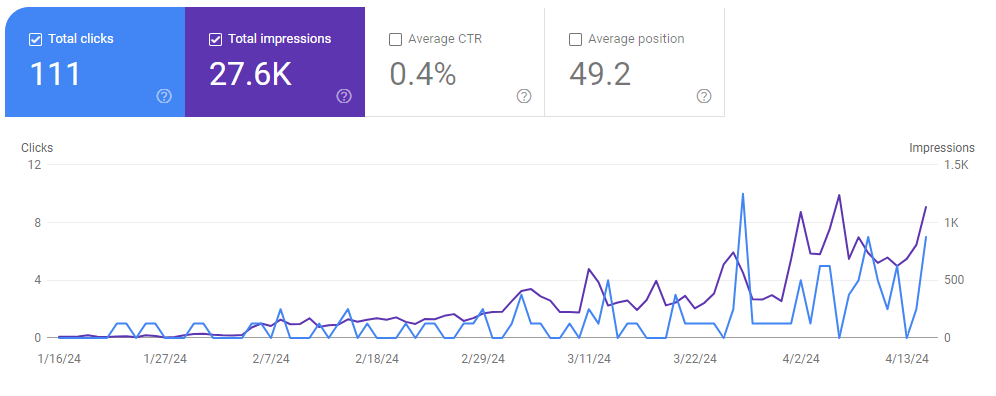
How to Use Data to Refine and Improve Your SEO Content Strategy
Analyzing performance data is crucial for refining and improving your SEO content strategy. Here’s how to leverage data effectively:
- Identify Trends and Patterns: Regularly review your performance metrics to identify trends and patterns. For example, if you notice a steady increase in organic traffic, analyze the content and keywords driving this growth. Conversely, if certain pages have high bounce rates, investigate potential issues and optimize those pages to improve engagement.
- Assess Content Performance: Use data to evaluate the performance of individual pieces of content. Identify high-performing content and analyze what makes it successful. Is it the topic, format, or keyword optimization? Use these insights to replicate success in future content.
- Optimize Underperforming Content: For content that isn’t performing well, use data to pinpoint areas for improvement. This might involve updating outdated information, improving keyword usage, enhancing readability, or adding multimedia elements. Regularly refreshing and optimizing content helps maintain its relevance and effectiveness.
- A/B Testing: Conduct A/B tests to experiment with different headlines, meta descriptions, CTAs, and content formats. Analyze the results to determine which variations perform better and implement the winning elements across your content.
- Monitor Keyword Rankings: Keep an eye on the rankings of your target keywords. If you notice a decline in rankings, review your content and SEO practices to identify potential issues. Adjust your strategy as needed to regain and improve rankings.
- Set Benchmarks and Goals: Use historical data to set realistic benchmarks and goals for your SEO content strategy. Regularly measure progress against these goals and adjust your tactics to stay on track.
By consistently measuring and analyzing your content performance, you can make data-driven decisions that refine and enhance your SEO content strategy. This ongoing process ensures that your efforts are aligned with your business goals and continuously improving, ultimately driving better results and achieving long-term success.
Conclusion
Recap of the Key Steps in Planning an SEO Content Strategy
Developing a successful SEO content strategy involves several crucial steps, guiding you from planning to execution. First, understand the importance of aligning your content with your SEO goals and business objectives. Conduct thorough keyword research to identify the terms your audience is searching for, and analyze your target audience to tailor your content to their needs. Competitor analysis helps you identify gaps and opportunities, while creating a content calendar ensures that your content is organized and consistent.
Producing high-quality content that is relevant, readable, and engaging is vital. Optimize your content with effective on-page SEO practices, and promote it through various channels like social media, email marketing, and influencer outreach. Regularly measure and analyze your content performance to refine your strategy and achieve better results.
Final Tips for Success
To ensure the success of your SEO content strategy, keep the following tips in mind:
- Stay Consistent: Consistency in publishing high-quality content is key to maintaining and improving your search engine rankings.
- Focus on Quality: Always prioritize quality over quantity. High-quality content that provides value to your audience will naturally attract more traffic and engagement.
- Keep Learning: SEO is an ever-evolving field. Stay updated with the latest trends, algorithm changes, and best practices to keep your strategy effective.
- Be Patient: SEO results take time. Be patient and persistent with your efforts, and you will see gradual improvements in your rankings and traffic.
Encouragement to Start Planning and Optimizing Your Content
Now that you have a comprehensive understanding of how to plan and execute an effective SEO content strategy, it’s time to put this knowledge into action. Start by setting clear goals and conducting keyword research. Use your insights to create a content calendar and begin developing high-quality, optimized content. Promote your content through various channels and continually measure your performance to refine your strategy.
Ready to Elevate Your SEO Game?
If you’re ready to take your SEO efforts to the next level and need expert guidance, contact us for professional SEO services. Our team of experienced professionals can help you craft and implement a tailored SEO content strategy that drives results. Let’s work together to achieve your SEO goals and grow your online presence!

About the Author
Jason Holicky is the founder of Holicky Corporation, a successful marketing agency in New Lenox, Illinois. With over 25 years of experience, he specializes in marketing consulting, website development, corporate photography, video editing, and social media management. Jason is passionate about helping businesses thrive, generate leads, and stay updated with current marketing methods and technology trends. He is a certified Google Ads expert and AppDirect technology advisor.
Related Posts




Ready to Elevate Your Online Presence? Let’s Get Started!
Take the first step towards a robust online website system with our expert web development services. Whether you’re looking to create a custom website, build a scalable Content Management System, or develop seamless APIs, our team is here to bring your vision to life. Contact us today to discuss your project and discover how our custom solutions can transform your online platform.