


User Generated Content (UGC) has emerged as a powerful tool for modern marketers, transforming the way brands engage with their audiences. By leveraging the authentic voices of customers, brands can enhance their credibility, foster community, and drive organic growth. This blog will explore the myriad benefits of UGC, provide actionable strategies for encouraging and utilizing it, and highlight real-world examples of successful UGC campaigns. Whether you’re a seasoned marketer or just starting, harnessing the power of your audience can be a game-changer for building your brand.
What is User Generated Content?
User Generated Content refers to any content—text, videos, images, reviews, etc.—created by people rather than brands. It’s an organic way for fans and customers to share their experiences and thoughts about a product or service. This content is publicly shared on social media platforms, blogs, and other digital channels, providing authentic, relatable, and influential perspectives.
Types of User Generated Content
- Reviews and Testimonials: Customer feedback shared on e-commerce sites, social media, or review platforms like Yelp and Trustpilot.
- Social Media Posts: Photos, videos, and stories posted by users on platforms like Instagram, Twitter, Facebook, and TikTok.
- Blogs and Articles: Long-form content written by customers or fans, often detailing their personal experiences or insights.
- Videos: Unboxing videos, product reviews, tutorials, and other user-created content on platforms like YouTube and Vimeo.
- Photos: Images featuring products or services, shared on social media or photography sites like Pinterest and Flickr.
Examples from Well-Known Brands

- GoPro: Encourages users to share their adventure videos, creating a community of thrill-seekers and showcasing the product’s capabilities.
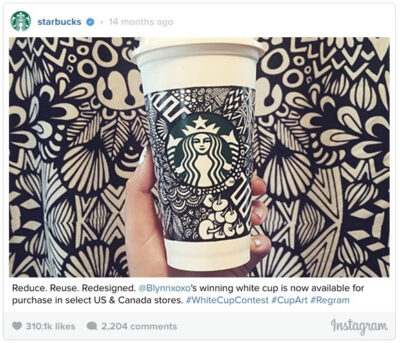
- Starbucks: Runs seasonal campaigns like the Red Cup Contest, inviting customers to share photos of their holiday-themed drinks.
- Airbnb: Features user-generated photos and stories on their website and social media, highlighting unique travel experiences and accommodations.
- Apple: The “Shot on iPhone” campaign, where users submit photos taken with their iPhones, which are then used in advertisements and billboards worldwide.
User Generated Content offers a diverse and authentic way for brands to connect with their audience. By understanding what UGC is and recognizing its various forms, brands can better appreciate its value and start integrating it into their marketing strategies.
Benefits of User Generated Content
User Generated Content is more than just a trend—it’s a strategic asset that can significantly impact your brand’s visibility, credibility, and growth. Here are some of the key benefits of incorporating UGC into your marketing strategy:
Enhanced Brand Trust and Authenticity
UGC provides a level of authenticity that branded content often can’t match. When customers share their genuine experiences, it builds trust among potential buyers. People tend to trust peer recommendations more than traditional advertising, making UGC a powerful tool for establishing credibility.
Increased Engagement and Community Building
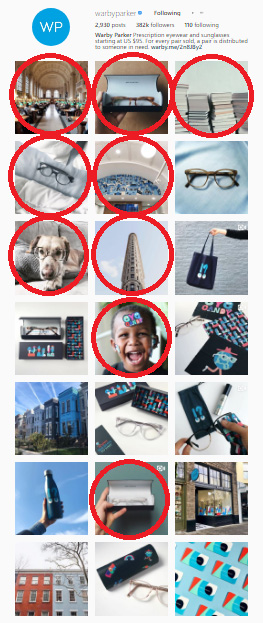 Encouraging your audience to create and share content fosters a sense of community. It allows customers to feel more connected to your brand, increasing their loyalty and engagement. This interactive relationship can lead to higher customer retention rates and a more vibrant brand community.
Cost-Effective Content Creation
Creating high-quality content can be expensive and time-consuming. UGC offers a cost-effective alternative by leveraging the creative contributions of your audience. This approach not only saves resources but also generates a diverse array of content that can be used across various marketing channels.
Improved SEO and Online Visibility
Search engines favor fresh, relevant content. By regularly incorporating UGC into your website and social media, you can improve your SEO rankings. UGC often includes keywords naturally used by customers, which can boost your search visibility and drive more organic traffic to your site.
Higher Conversion Rates
UGC can influence purchasing decisions by providing social proof. Seeing real customers using and enjoying your products can reassure potential buyers, leading to higher conversion rates. Reviews, testimonials, and user photos can all contribute to a more persuasive and relatable sales process.
Broader Reach Through Social Sharing
When users create content about your brand, they share it with their networks, expanding your reach beyond your direct audience. This organic sharing can introduce your brand to new potential customers and increase brand awareness without additional marketing spend.
By understanding and leveraging the benefits of User Generated Content, brands can create more authentic, engaging, and effective marketing strategies. UGC not only enhances brand perception but also drives tangible business results, making it an essential component of modern marketing efforts.
How to Encourage User Generated Content
Encouraging your audience to create and share content about your brand requires a strategic approach. Here are some effective methods to inspire and motivate your customers to generate content:
Create Campaigns and Contests
Running campaigns and contests is a great way to encourage UGC. Invite your audience to participate in themed challenges or share their experiences with your products for a chance to win prizes. Make the rules simple and the rewards appealing to maximize participation. For example, a photo contest on Instagram using a specific hashtag can generate a lot of engagement and content.
Use Branded Hashtags
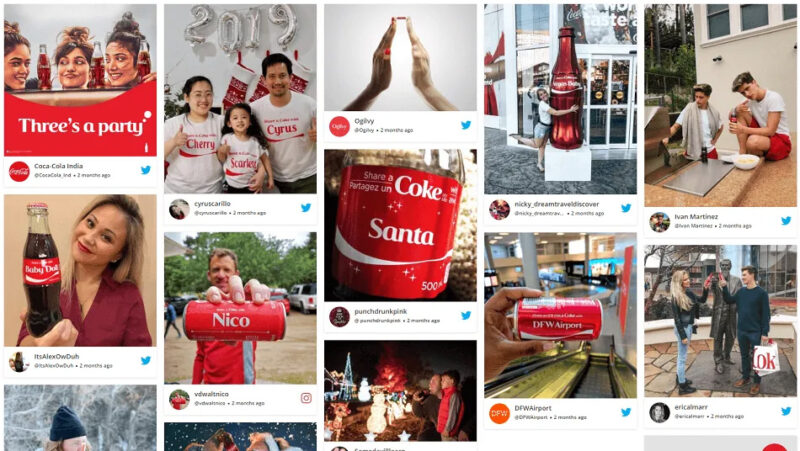 Developing a unique branded hashtag encourages customers to tag their posts and makes it easy for you to find and curate UGC. Promote this hashtag across all your marketing channels, and make it a part of your brand identity. Highlight user posts that use your hashtag on your social media pages and website to show appreciation and encourage others to join in.
Engage with Your Audience on Social Media
Active engagement on social media platforms is crucial for fostering UGC. Respond to comments, share user posts, and acknowledge your audience’s contributions. By creating a two-way conversation, you make your customers feel valued and more likely to share their experiences with your brand.
Offer Incentives and Rewards
Incentives can be a powerful motivator for generating UGC. Offer discounts, freebies, or exclusive access to events or products in exchange for content. For example, you could provide a discount code to customers who leave a review or share a photo of your product on social media. Rewards make your audience feel appreciated and encourage ongoing participation.
Highlight User Content
Showcasing UGC on your website, social media, and other marketing materials not only provides social proof but also motivates others to contribute. Create dedicated sections on your website for user reviews, photos, and testimonials. Regularly feature user content in your social media posts and stories, giving credit to the creators and encouraging others to get involved.
Collaborate with Influencers
Partnering with influencers who align with your brand can amplify your reach and encourage their followers to create UGC. Influencers can initiate challenges, contests, or simply share their experiences with your products, prompting their audience to do the same. This approach leverages the trust and influence they have with their followers to generate more content for your brand.
By implementing these strategies, you can effectively encourage your audience to create and share content about your brand. Engaging your customers in these ways not only generates valuable UGC but also strengthens your relationship with them, fostering loyalty and community around your brand.
Legal and Ethical Considerations in Using UGC
While User Generated Content can be a powerful tool for your marketing strategy, it’s essential to handle it responsibly. Understanding the legal and ethical considerations will help you protect your brand and respect your audience.
Importance of Obtaining Proper Permissions
Before using any UGC, it’s crucial to get explicit permission from the content creator. This not only shows respect for their work but also protects your brand from potential legal issues. Reach out to users directly to ask for permission and provide clear information on how their content will be used. Using a formal consent form can help ensure that you have documented approval.
How to Credit Creators
Giving proper credit to the original creators of UGC is not just a legal requirement but also a gesture of appreciation. Always mention the creator’s name or handle when sharing their content. On social media, tag the user in your posts and stories to acknowledge their contribution. Crediting creators not only shows respect but also encourages others to share their content, knowing they will be recognized.
Guidelines for Moderating and Curating Content
To maintain the quality and relevance of UGC, it’s important to have clear guidelines for moderating and curating content. Establish criteria for what types of content are acceptable, considering factors such as appropriateness, relevance, and quality. Monitor submissions regularly and remove any content that doesn’t meet your standards. This helps ensure that the UGC you feature aligns with your brand values and maintains a positive community atmosphere.
Protecting User Privacy
Respecting user privacy is paramount when handling UGC. Be transparent about how you will use their content and any personal information. Avoid sharing sensitive data without explicit consent and ensure compliance with data protection regulations such as GDPR or CCPA. Implementing strong privacy policies and practices will help build trust with your audience and protect your brand from legal repercussions.
Managing Copyright Issues
UGC can sometimes involve copyrighted material, such as music in a video or images from other sources. Ensure that any content you use complies with copyright laws and obtain necessary licenses if required. Educate your audience about using copyrighted materials in their submissions to avoid legal complications.
Ethical Marketing Practices
Using UGC ethically involves more than just legal compliance. It means respecting the creators and their content, being honest about how their content will be used, and maintaining the integrity of their original message. Avoid altering user content in ways that could misrepresent their views or experiences. Ethical practices help build a positive relationship with your audience and foster a trustworthy brand image.
By adhering to these legal and ethical considerations, you can effectively leverage UGC while protecting your brand and respecting your audience. Proper management of UGC not only mitigates risks but also enhances your brand’s credibility and fosters a positive community.
Integrating UGC with Influencer Marketing
Combining User Generated Content with influencer marketing can create a powerful synergy that amplifies your brand’s reach and engagement. Here’s how to effectively integrate these two strategies:
Synergies Between UGC and Influencer Marketing
Influencers are adept at creating engaging content and have a loyal following that trusts their recommendations. When influencers encourage their followers to generate content about your brand, it can lead to a significant increase in UGC. This not only expands your reach but also adds a layer of credibility, as followers view the influencer’s endorsement as genuine and trustworthy.
Strategies for Leveraging Influencers to Amplify UGC
- Collaborative Campaigns: Partner with influencers to launch collaborative campaigns that encourage their followers to create and share content. For example, an influencer could host a contest where their followers post photos or videos using your product with a specific hashtag.
- Influencer Challenges: Create fun and engaging challenges with influencers that require user participation. These challenges can go viral, prompting a large number of followers to join in and create their own content.
- Feature Influencer-Generated UGC: Share content created by influencers on your own social media channels and website. This not only showcases their support for your brand but also motivates their followers to contribute their own content.
- Incentivize Participation: Offer exclusive rewards or recognition for followers who create the best UGC. This could include giveaways, discounts, or featuring their content on your official pages.
- Story Takeovers: Allow influencers to take over your brand’s social media stories for a day, encouraging their followers to engage and create UGC. This provides fresh content and introduces your brand to a wider audience.
Case Studies of Successful UGC-Influencer Collaborations

- Daniel Wellington: The watch brand successfully used influencer marketing and UGC to grow its brand. By sending watches to influencers and encouraging them to post with the hashtag #DanielWellington, they generated a massive amount of UGC, boosting their brand visibility and credibility.
- Coca-Cola’s #ShareaCoke Campaign: Coca-Cola collaborated with influencers to promote the #ShareaCoke campaign, where personalized Coke bottles were shared on social media. This campaign saw a tremendous amount of UGC, as followers of influencers eagerly participated and shared their personalized bottles.
- GoPro: GoPro leverages UGC and influencers by encouraging adventurers and athletes to share their thrilling experiences captured on GoPro cameras. These influencers, in turn, inspire their followers to create and share their own content, creating a continuous cycle of UGC.
Best Practices for Integrating UGC with Influencer Marketing
- Choose the Right Influencers: Select influencers who align with your brand values and have an engaged following that matches your target audience.
- Set Clear Objectives: Define clear goals for your UGC-influencer campaigns, such as increasing brand awareness, driving engagement, or boosting sales.
- Track and Measure Success: Use analytics tools to track the performance of your campaigns. Measure metrics such as reach, engagement, and the amount of UGC generated to assess the effectiveness of your strategy.
- Maintain Authenticity: Ensure that the content created by influencers remains authentic and true to their voice. Overly scripted or forced content can detract from the genuine appeal of UGC.
By effectively integrating UGC with influencer marketing, you can create dynamic and engaging campaigns that leverage the strengths of both strategies. This approach not only amplifies your brand’s reach but also builds a stronger, more authentic connection with your audience.
How to Curate and Display User Generated Content
Effectively curating and displaying User Generated Content is crucial for maximizing its impact. Here’s how to showcase UGC in a way that enhances your brand and engages your audience:
Best Platforms and Tools for Curating UGC
- Social Media Aggregators: Tools like Taggbox, Tint, and Curator.io allow you to collect and display UGC from various social media platforms on your website or digital displays.
- Hashtag Tracking: Use tools like Keyhole or Hootsuite to track specific hashtags related to your brand and gather relevant UGC.
- Content Management Systems (CMS): Platforms like WordPress offer plugins that help integrate UGC directly into your site. For example, plugins like Smash Balloon Social Photo Feed for Instagram can help display user content seamlessly.
- Review Platforms: Sites like Trustpilot, Yelp, and Google Reviews automatically curate customer reviews, which can be displayed on your website.
Tips for Displaying UGC on Your Website and Social Media
- Create a Dedicated UGC Section: Have a dedicated section on your website, such as a gallery or a testimonial page, where visitors can view UGC. This makes it easy for potential customers to find authentic user experiences.
- Highlight UGC in Product Pages: Display user photos, reviews, and testimonials on product pages to provide social proof and enhance the shopping experience.
- Feature UGC in Blog Posts: Incorporate UGC into your blog content to add authenticity and varied perspectives. For instance, you can feature customer stories or case studies.
- Social Media Showcases: Regularly share UGC on your brand’s social media profiles. Use posts, stories, and highlights to keep user content visible and engaging.
- Interactive Campaigns: Launch campaigns that encourage UGC and display the best entries on your website and social media. This can include contests or challenges with dedicated landing pages showcasing user contributions.
Creating a Seamless and Authentic User Experience
- Ensure Consistency: Maintain a consistent aesthetic and tone when displaying UGC. Align the presentation of user content with your brand’s style to create a cohesive look.
- Quality Control: While it’s important to showcase a variety of user content, ensure that the quality of the displayed UGC meets your brand standards. Curate content that is visually appealing and relevant to your brand message.
- Engage and Respond: Actively engage with users who create content for your brand. Like, comment, and share their posts to show appreciation and encourage further participation.
- Credit the Creators: Always give credit to the original creators of UGC. Tag them in social media posts and mention their names on your website to show recognition and respect for their contributions.
- Incorporate UGC into Email Marketing: Feature user-generated photos, testimonials, or stories in your email newsletters. This adds a personal touch and demonstrates customer satisfaction to your subscribers.
Examples of Effective UGC Display
- Lululemon: Their website features a “We Made Too Much” section, showcasing customer photos and reviews of their products. This not only highlights satisfied customers but also promotes their products through authentic user experiences.
- Starbucks: Frequently shares customer photos and stories on their Instagram page, especially during seasonal campaigns like #RedCupContest. This fosters a sense of community and encourages more users to share their own content.
- Warby Parker: Incorporates customer photos and testimonials on their product pages and social media, providing potential buyers with real-life examples of how the glasses look and feel.
By thoughtfully curating and displaying UGC, you can enhance your brand’s authenticity, engage your audience, and drive more conversions. Integrating UGC into your marketing strategy not only showcases satisfied customers but also builds a vibrant community around your brand.
Measuring the Impact of User Generated Content

Evaluating the effectiveness of User Generated Content is crucial for understanding its impact on your brand and optimizing your strategy. Here’s how to measure the impact of UGC:
Key Metrics to Track UGC Performance
- Engagement Metrics:
- Likes, Comments, and Shares: Monitor how much interaction UGC is receiving on social media platforms.
- Click-Through Rates (CTR): Measure the number of clicks UGC generates when used in ads or on your website.
- Engagement Rate: Calculate the percentage of your audience engaging with the UGC. This can be found by dividing total engagements by total followers and multiplying by 100.
- Reach and Impressions:
- Reach: The number of unique users who see the UGC.
- Impressions: The total number of times UGC is displayed, regardless of user clicks.
- Conversion Metrics:
- Conversion Rate: Track how often UGC leads to desired actions, such as purchases, sign-ups, or downloads.
- Sales Revenue: Measure the direct sales generated from UGC campaigns.
- Customer Acquisition Cost (CAC): Calculate the cost of acquiring a customer through UGC compared to other marketing methods.
- User Participation:
- Number of UGC Submissions: Track the volume of content created by users over a specific period.
- Active Contributors: Measure the number of unique users consistently contributing UGC.
Analyzing Engagement and Conversion Rates
- Social Media Analytics:
- Use built-in analytics tools from platforms like Instagram, Facebook, and Twitter to track engagement and reach.
- Identify which types of UGC (photos, videos, reviews) generate the most interaction.
- Website Analytics:
- Utilize Google Analytics to monitor traffic, bounce rates, and conversions from UGC displayed on your site.
- Analyze user behavior to see how UGC influences navigation and purchase decisions.
- E-commerce Platforms:
- Platforms like Shopify and WooCommerce provide insights into how UGC affects product sales and customer behavior.
- Track UGC-related discounts or codes to measure their impact on sales.
Adjusting Strategies Based on Data Insights
- Identify Top-Performing UGC:
- Highlight and promote content that generates the highest engagement and conversions.
- Use these insights to guide future UGC campaigns and collaborations.
- Optimize Content Placement:
- Experiment with different placements of UGC on your website and social media to see where it performs best.
- Adjust your strategy based on where users are most responsive to UGC.
- Enhance User Interaction:
- Encourage more participation by highlighting successful UGC and offering incentives for high-quality contributions.
- Engage with users by responding to their content and featuring their stories.
- Iterate and Improve:
- Continuously test and refine your UGC strategy based on performance data.
- Keep up with trends and adapt your approach to maintain relevance and effectiveness.
Tools for Measuring UGC Impact
- Social Media Analytics Tools: Sprout Social, Hootsuite, Buffer
- Website Analytics Tools: Google Analytics, Adobe Analytics
- E-commerce Analytics: Shopify Analytics, WooCommerce Reports
- UGC Management Platforms: TINT, Yotpo, Olapic
By consistently measuring and analyzing the impact of UGC, you can fine-tune your marketing strategies to maximize engagement and conversions. Understanding the effectiveness of UGC allows you to leverage it more effectively, ensuring that your brand continues to benefit from the authentic and influential content created by your audience.
Case Studies of Successful UGC Campaigns
Examining successful User Generated Content campaigns can provide valuable insights and inspiration for your own strategy. Here are a few notable examples of brands that have effectively harnessed the power of UGC to enhance their marketing efforts:
Case Study 1: GoPro

Campaign Overview: GoPro encourages its users to capture and share their adventures using GoPro cameras. By promoting the hashtag #GoPro on social media, they have created a vibrant community of content creators. Results:
- Massive social media engagement with thousands of daily posts using the #GoPro hashtag.
- Enhanced brand visibility and credibility through authentic user experiences.
- Increased sales driven by compelling user-generated videos showcasing the camera’s capabilities.
Case Study 2: Coca-Cola’s #ShareaCoke Campaign
Campaign Overview: Coca-Cola’s #ShareaCoke campaign involved printing popular names on Coke bottles and encouraging customers to share photos of their personalized bottles on social media. Results:
- Over 500,000 photos shared using the #ShareaCoke hashtag within the first year.
- Significant boost in social media engagement and brand awareness.
- Sales increased by 2% in the US after the campaign launch, reversing a decade-long decline.
Case Study 3: Daniel Wellington
Campaign Overview: Daniel Wellington used influencer marketing and UGC by sending their watches to influencers and asking them to post photos with the hashtag #DanielWellington. Results:
- Rapid brand growth, reaching over 4 million Instagram followers.
- Generated a large volume of high-quality UGC, increasing brand credibility and appeal.
- The brand’s minimalist watch became a fashion trend, driving substantial sales growth.
Case Study 4: Starbucks #RedCupContest

Campaign Overview: Starbucks launched the #RedCupContest, inviting customers to share creative photos of their holiday-themed red cups. Results:
- Thousands of user-generated photos shared across social media platforms.
- Increased engagement during the holiday season, with a spike in social media mentions.
- Strengthened community feel and brand loyalty among Starbucks customers.
Case Study 5: Lululemon’s Ambassador Program
Campaign Overview: Lululemon leverages their ambassador program to generate UGC, featuring fitness instructors and athletes who embody the brand’s values. Results:
- High-quality content showcasing Lululemon products in action.
- Increased trust and authenticity through real-life endorsements.
- Strong community engagement, fostering brand loyalty and advocacy.
Lessons Learned and Best Practices
- Encourage Authenticity: Successful UGC campaigns thrive on authentic user experiences. Encourage your audience to share genuine stories and moments that resonate with your brand values.
- Create Clear Guidelines: Provide participants with clear instructions and guidelines to ensure the content aligns with your brand image while allowing creative freedom.
- Engage and Appreciate: Actively engage with users who contribute content. Like, comment, and share their posts to show appreciation and encourage more participation.
- Leverage Hashtags: Use branded hashtags to collect and organize UGC. Promote these hashtags consistently across all marketing channels.
- Feature UGC Prominently: Showcase user-generated content on your website, social media, and marketing materials to maximize its impact and inspire others to contribute.
By studying these case studies and applying their best practices, you can develop effective UGC campaigns that enhance your brand’s visibility, credibility, and engagement. UGC not only builds a sense of community but also provides a wealth of authentic content that can drive your marketing success.
Leveraging UGC for Product Development
User Generated Content isn’t just a powerful marketing tool; it can also provide valuable insights for product development. Here’s how to use UGC to inform and improve your products:
Gathering Customer Feedback
UGC can be a rich source of feedback on your products. Reviews, social media posts, and videos often highlight what customers love and what they think could be improved. By monitoring and analyzing this feedback, you can identify common issues, popular features, and new ideas directly from your user base.
- Social Listening Tools: Use tools like Brandwatch, Sprout Social, or Mention to track conversations about your products across social media and other platforms. These tools help aggregate feedback and identify trends.
- Review Analysis: Regularly analyze reviews on platforms like Amazon, Yelp, and Google Reviews. Look for patterns in customer comments to understand the strengths and weaknesses of your products.
Co-Creation and Crowdsourcing Ideas
Involve your customers in the product development process through co-creation and crowdsourcing initiatives. This not only generates innovative ideas but also fosters a sense of ownership and loyalty among your user base.
- Idea Contests: Launch contests inviting customers to submit ideas for new products or features. Reward the best suggestions with prizes or the opportunity to see their idea brought to life.
- Beta Testing Programs: Create beta testing programs where select customers can test new products or features before they are released. Gather their feedback to make necessary adjustments and improvements.
Real-Time Product Adjustments
Use UGC to make real-time adjustments to your products. For example, if multiple users report the same issue with a product, you can address it quickly, improving customer satisfaction and reducing returns or complaints.
- Agile Development: Implement agile development practices to respond swiftly to customer feedback. Regularly update and improve products based on user insights.
- Interactive Platforms: Utilize interactive platforms like online forums or social media groups where customers can discuss and review your products. Actively participate in these discussions to understand their needs better.
Highlighting Customer-Inspired Innovations
When you develop or improve a product based on customer feedback or ideas, highlight this in your marketing. Showing that you listen to your customers and value their input can strengthen your brand’s relationship with its audience.
- Storytelling: Share stories about how customer feedback led to specific product innovations. Use blog posts, social media, and email newsletters to tell these stories.
- Acknowledgments: Give credit to customers who contributed valuable ideas. Feature them in your marketing materials or on your website to show appreciation for their input.
Tools for Integrating UGC into Product Development
- Survey Tools: Use tools like SurveyMonkey or Typeform to gather structured feedback from your customers.
- Idea Management Platforms: Platforms like IdeaScale or Brightidea can help you manage and evaluate customer suggestions and ideas.
- Analytics Tools: Use analytics tools to track and analyze feedback trends, helping you prioritize product improvements.
By leveraging UGC for product development, you can create products that better meet your customers’ needs and preferences. This approach not only enhances product quality but also builds stronger customer relationships and brand loyalty.
Conclusion: Embracing the Power of User Generated Content
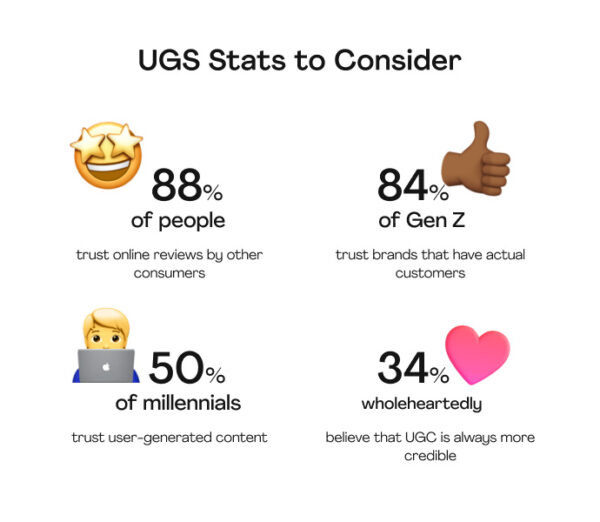
Source: mageworx.com
User Generated Content (UGC) has emerged as a transformative force in modern marketing, providing brands with authentic, engaging, and cost-effective ways to connect with their audience. By leveraging the voices of real customers, businesses can build trust, foster community, and drive significant growth. Here’s a recap of why and how to harness the power of UGC effectively:
Recap of Key Benefits
UGC offers numerous advantages, from enhancing brand credibility to increasing engagement and driving conversions. By understanding and utilizing these benefits, brands can create more compelling and authentic marketing strategies.
Strategies for Encouraging and Utilizing UGC
Implementing campaigns, contests, and incentives can motivate your audience to generate content. Engaging with users on social media, using branded hashtags, and showcasing UGC prominently on your platforms are all effective methods to foster participation and highlight user contributions.
Ethical and Legal Considerations
Respecting creators’ rights, obtaining proper permissions, and giving appropriate credit are crucial for maintaining trust and compliance. Adhering to these principles ensures that your use of UGC is both ethical and legally sound.
Integrating Influencer Marketing
Combining UGC with influencer marketing can amplify your reach and impact. Influencers can drive their followers to create content, resulting in a richer and more diverse pool of UGC.
Curating and Displaying UGC
Using the right tools and platforms to curate and display UGC enhances its effectiveness. Quality control, consistency, and engaging presentation are key to maximizing the impact of user-generated content.
Measuring Impact and Adjusting Strategies
Tracking engagement, reach, and conversion metrics allows you to assess the effectiveness of your UGC campaigns. Analyzing these metrics and adjusting your strategies based on data insights ensures continuous improvement and success.
Product Development Insights
UGC is not just valuable for marketing; it can also inform product development. By listening to customer feedback and involving users in the innovation process, brands can create products that better meet market needs and foster stronger customer loyalty.
Final Thoughts
Embracing UGC requires a strategic approach that respects and values your audience’s contributions. By effectively leveraging UGC, brands can not only enhance their marketing efforts but also build deeper, more authentic relationships with their customers. As you move forward, remember to stay engaged, be transparent, and always appreciate the creative input of your community.
Get Started with User Generated Content Today!
Ready to harness the power of your audience? Enhance your brand with authentic, engaging content created by your customers. Holicky Corporation can assist you with UGC via our branding services, social media services, and more. Start building your brand’s community and driving growth now!

About the Author
Jason Holicky is the founder of Holicky Corporation, a successful marketing agency in New Lenox, Illinois. With over 25 years of experience, he specializes in marketing consulting, website development, corporate photography, video editing, and social media management. Jason is passionate about helping businesses thrive and staying updated with marketing and technology trends. He is a certified Google Ads expert and AppDirect technology advisor.
Related Posts




Ready to Elevate Your Online Presence? Let’s Get Started!
Take the first step towards a robust online website system with our expert web development services. Whether you’re looking to create a custom website, build a scalable Content Management System, or develop seamless APIs, our team is here to bring your vision to life. Contact us today to discuss your project and discover how our custom solutions can transform your online platform.