

Building trust and credibility through your website is more crucial than ever. Your website is often the first interaction potential customers have with your brand, and within seconds, they will form an opinion about your business based on its design. A trustworthy website design not only captures attention but also fosters a sense of reliability and professionalism that can significantly influence user behavior.
For businesses, especially in the B2B sector, establishing trust online is paramount. Studies show that users are less likely to engage with, or purchase from, a business that doesn’t appear credible. Whether it’s through clear and concise messaging, professional aesthetics, or seamless user experience, your website must convey trustworthiness at every touchpoint.
In this article, we’ll explore the essential strategies for designing a website that not only looks great but also builds trust and credibility with your audience. From visual elements and content to technical foundations and user experience, we’ll guide you through the key components of a trustworthy website design that can elevate your brand’s online presence and drive business success.
Understanding Trustworthy Website Design

What Makes a Website Trustworthy?
Trustworthy website design is more than just attractive visuals—it’s about creating a digital environment where users feel safe, confident, and engaged. Trust is a critical factor in user behavior, influencing everything from the length of time visitors spend on your site to their likelihood of making a purchase or returning in the future. But what exactly makes a website trustworthy?
At its core, trustworthy website design involves several key principles:
1. Professionalism
Your website should reflect the professionalism of your brand. This includes a clean, modern design, well-organized content, and consistent branding. Users are quick to judge the credibility of a business based on the appearance and functionality of its website. A poorly designed site can raise doubts about the legitimacy of your business, while a polished, professional design can build immediate trust.
2. Transparency
Transparency in communication is another cornerstone of trustworthy design. This means being clear about who you are, what you offer, and how visitors can get in touch with you. Including detailed contact information, company history, and clear explanations of your products or services helps to build credibility. Additionally, transparent policies regarding privacy, data usage, and returns further reinforce trust.
3. Security
With the increasing prevalence of cyber threats, website security has become a non-negotiable aspect of trust. Users want to know that their personal information is safe when they interact with your website. Implementing SSL certificates, ensuring your site is HTTPS, and prominently displaying trust seals can reassure visitors that your site is secure. Moreover, regular updates and security checks demonstrate a commitment to protecting user data.
4. Consistency
Consistency in design, content, and user experience plays a significant role in building trust. A website that offers a uniform experience across all pages and devices signals reliability and attention to detail. Inconsistent branding, messaging, or navigation can confuse visitors and erode trust, making them less likely to engage with your business.
5. User-Centered Design
A trustworthy website prioritizes the user’s needs and preferences. This involves intuitive navigation, accessible design features, and a responsive layout that works seamlessly across all devices. When users feel that a website is easy to use and meets their expectations, they are more likely to trust the brand behind it.
These principles of trustworthy website design are supported by various studies and expert opinions, which highlight the direct correlation between trust and user engagement. By focusing on these core elements, you can create a website that not only attracts visitors but also fosters lasting trust and credibility, ultimately driving conversions and business growth.
In the following sections, we’ll dive deeper into the specific visual elements, content strategies, and technical foundations that contribute to building a trustworthy website.
Visual Elements that Foster Trust

The Role of Visual Design in Building Trust
Visual design is one of the first things visitors notice when they land on your website. It’s the initial impression that sets the tone for their entire experience. Research from Stanford shows that 75% of users judge a website’s credibility based solely on its aesthetics. This makes the role of visual design in building trust incredibly significant.
1. Professional and Clean Design
A professional and clean design is essential for conveying trustworthiness. Cluttered layouts, excessive use of colors, and inconsistent fonts can overwhelm users and lead to a negative perception of your brand. Instead, focus on simplicity and elegance—use a balanced color palette, ample white space, and consistent typography throughout your site. This not only makes your website more visually appealing but also easier to navigate, which in turn builds user confidence.
2. The Psychology of Color
Color plays a crucial role in how users perceive your website. Different colors evoke different emotions, and when used strategically, they can enhance the trustworthiness of your site. For instance, blue is often associated with trust, security, and professionalism, which is why it’s commonly used in the financial and tech industries. Green, on the other hand, is associated with growth, stability, and health, making it a popular choice for wellness brands. Understanding the psychology of color can help you create a visual identity that resonates with your target audience and fosters trust.
3. Consistent Branding
Consistency in branding across all visual elements—such as logos, color schemes, fonts, and imagery—is vital for building trust. When users see the same visual cues across different pages of your website, it reinforces your brand identity and helps them feel more familiar with your business. Inconsistent branding, on the other hand, can create confusion and make your business appear unprofessional. Ensure that your branding is cohesive and aligned with your overall brand message to create a seamless and trustworthy user experience.
4. High-Quality Imagery and Graphics
The quality of the images and graphics on your website can significantly impact how users perceive your brand. Low-resolution images or generic stock photos can make your website look unprofessional and cheap, which can erode trust. Instead, invest in high-quality, original imagery that reflects your brand’s identity and values. Whether it’s photos of your products, team, or office, using authentic images can create a more personal connection with your audience and build credibility.
5. Avoiding Visual Clutter
While it’s important to use visuals to enhance your website, it’s equally important to avoid visual clutter. Too many images, animations, or design elements can distract users and make your site difficult to navigate. This can lead to frustration and a loss of trust. Aim for a minimalist approach, where each visual element serves a clear purpose and contributes to the overall user experience. This not only makes your website more aesthetically pleasing but also helps users focus on the content that matters most.
By carefully considering these visual elements, you can create a website design that not only looks good but also instills trust and credibility in your visitors. A well-designed website is a powerful tool for building relationships with your audience, encouraging them to explore your content further, and ultimately, converting them into loyal customers. In the next section, we’ll explore how the content on your website can further enhance credibility and trust.
Content that Enhances Credibility

Crafting Content that Builds Credibility
While visual design plays a critical role in first impressions, the content on your website is what sustains trust and credibility over time. The words, messages, and information you provide can either build confidence in your audience or cause them to doubt your legitimacy. High-quality content that is clear, informative, and relevant is essential for creating a trustworthy website design.
1. High-Quality, Relevant Content
Content is the backbone of your website, and it’s crucial that it speaks directly to your audience’s needs and concerns. High-quality content is not just well-written but also well-researched, providing value and insights that are relevant to your visitors. Whether it’s blog posts, product descriptions, or service pages, your content should reflect your expertise and demonstrate your understanding of the industry. This establishes you as an authority in your field, which is a key factor in building credibility.
2. Clear and Concise Messaging
Trustworthy website design relies heavily on clear and concise messaging. Your visitors should be able to quickly understand who you are, what you offer, and how you can help them. Avoid jargon or overly complex language that might confuse your audience. Instead, focus on straightforward communication that conveys your message effectively. Remember, clarity builds trust—when users can easily grasp your value proposition, they are more likely to engage with your brand.
3. Transparency and Authenticity
Transparency is a cornerstone of credibility. Be open and honest about your business practices, pricing, and policies. This includes providing detailed information about your products or services, as well as any terms and conditions that might affect your customers. Authenticity in your content—whether through sharing your company’s story, showcasing your team, or highlighting your values—helps to humanize your brand and fosters a deeper connection with your audience. When users perceive your business as genuine and transparent, they are more likely to trust you.
4. Testimonials and Case Studies
Social proof is a powerful tool for building credibility. Including testimonials from satisfied customers, case studies, and client logos on your website can significantly enhance trust. Potential customers are more likely to trust your brand if they see that others have had positive experiences with your products or services. Make sure to include detailed testimonials that highlight specific benefits or outcomes, and present case studies that showcase how your solutions have successfully addressed your clients’ challenges. This not only validates your claims but also provides concrete examples of your expertise.
5. Authoritative Content
To further establish credibility, your website should feature authoritative content that positions your brand as a thought leader in your industry. This could include in-depth articles, white papers, or industry reports that provide valuable insights and demonstrate your expertise. Authoritative content not only educates your audience but also builds trust by showing that you are knowledgeable and up-to-date with the latest trends and developments in your field. Additionally, by citing credible sources and providing data-driven content, you reinforce the reliability of the information you present.
6. Regularly Updated Content
Consistency in content updates is another factor that contributes to credibility. A website with outdated content can give the impression that your business is inactive or not keeping pace with industry changes. Regularly updating your blog, news section, or product pages shows that your business is active and committed to providing current information. It also gives users a reason to return to your site, increasing engagement and reinforcing trust over time.
By focusing on these content strategies, you can create a website that not only informs but also builds and sustains trust with your audience. Content that is high-quality, clear, transparent, and supported by social proof will resonate with visitors, encouraging them to view your brand as credible and reliable. In the next section, we’ll examine how navigational design and user experience further influence trust in your website.
Navigational Design and User Experience
How Navigation and UX Influence Trust
When it comes to building trust through website design, the way users interact with your site—its navigation and overall user experience (UX)—plays a pivotal role. A well-structured, easy-to-navigate website not only keeps visitors engaged but also instills confidence in your brand. Here’s how you can enhance trust through thoughtful navigation and UX design:
Intuitive Navigation
Imagine walking into a store where nothing is organized, and you can’t find what you’re looking for—frustrating, right? The same applies to your website. Visitors should be able to find the information they need quickly and effortlessly. An intuitive navigation structure, with clear menus, logical page hierarchy, and easy-to-find links, ensures that users can move through your site seamlessly. If users have to struggle to locate important information, they may become frustrated and leave, eroding trust in the process. To avoid this, consider organizing your content into well-defined categories, using clear and descriptive labels for your menu items, and ensuring that every page is no more than a few clicks away.
Consistency Across Pages
Consistency in navigation and design across all pages of your website is crucial for maintaining user trust. When users see a consistent layout, style, and navigation pattern, it reinforces the idea that your website is well-maintained and professional. Inconsistencies, on the other hand, can confuse visitors and make your site feel disjointed or amateurish. Ensure that your navigation menu, footer, and other recurring elements are uniform across all pages, providing a cohesive and reliable experience.
Mobile Responsiveness
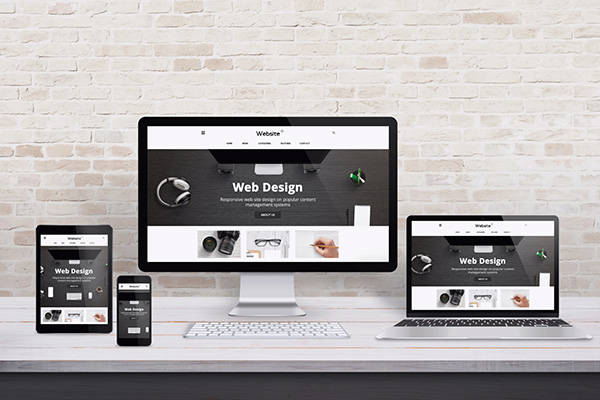
With more than half of global web traffic coming from mobile devices, a mobile-responsive design is no longer optional—it’s essential. A site that doesn’t perform well on mobile can significantly damage your credibility. Visitors expect a smooth, optimized experience, regardless of the device they’re using. A mobile-responsive design adjusts seamlessly to different screen sizes, ensuring that your content is accessible and easy to navigate on smartphones and tablets. This not only improves the user experience but also signals to your audience that your business is up-to-date with current technology trends, further building trust.
Fast Loading Times
Patience is a rare commodity online. Studies have shown that if a website takes longer than three seconds to load, over half of users will abandon it. Slow loading times not only frustrate users but also create an impression of unprofessionalism. To prevent this, optimize your website’s performance by compressing images, minimizing the use of heavy scripts, and leveraging browser caching. A fast-loading website not only keeps visitors on your site longer but also contributes to a positive perception of your brand’s efficiency and reliability.
Clear Calls-to-Action (CTAs)
A clear and compelling call-to-action (CTA) is vital for guiding users through their journey on your website. Whether it’s prompting them to contact you, download a resource, or make a purchase, your CTAs should stand out without being intrusive. Use action-oriented language, make them easy to spot with contrasting colors, and place them strategically where users naturally look next. Clear CTAs contribute to a sense of direction and purpose on your site, making users feel that they are in capable hands as they navigate through the content.
User Feedback and Iteration
One of the best ways to ensure that your navigation and UX design are fostering trust is by listening to your users. Regularly collect feedback through surveys, usability testing, and analytics to understand where users are experiencing friction. Are they getting lost? Are there points where they consistently drop off? Use this data to make informed improvements. By showing that you’re responsive to user needs and continuously optimizing the experience, you reinforce trust and demonstrate a commitment to customer satisfaction.
Minimal Distractions
While it’s important to have eye-catching elements on your site, too many distractions—like pop-ups, auto-play videos, or overly flashy graphics—can detract from the user experience. These distractions can overwhelm visitors and lead them to question your site’s credibility. Instead, focus on a clean, streamlined design that emphasizes content and usability. By minimizing distractions, you allow users to focus on what truly matters: the value your site offers.
In summary, a well-thought-out navigational design and user experience are key components of a trustworthy website design. By ensuring that your website is easy to navigate, consistent across pages, mobile-responsive, fast-loading, and user-focused, you create an environment where visitors feel confident and supported. As we move to the next section, we’ll explore the technical aspects that further solidify trust and credibility on your website.
Technical Aspects of a Trustworthy Website

Technical Foundations of Trust
While visual design and content are essential for creating an inviting and engaging website, the technical aspects behind the scenes are equally crucial for building and maintaining trust. A website that is technically sound ensures a smooth, secure, and reliable user experience—key factors that significantly contribute to the credibility of your business. Let’s dive into the technical elements that form the backbone of a trustworthy website design.
1. Website Speed and Performance:
One of the first technical factors that influence user trust is your website’s speed and overall performance. As mentioned earlier, slow loading times can lead to user frustration and abandonment, but the issue goes deeper than just user impatience. Search engines like Google consider page speed as a ranking factor, meaning that a slow website can also hurt your search engine optimization (SEO) efforts. To optimize your site’s speed, consider using a Content Delivery Network (CDN), compressing images, and minimizing JavaScript and CSS files. A fast, efficient website not only improves user experience but also signals professionalism and attention to detail, both of which are crucial for building trust.
2. Robust Security Measures:
Security is a top priority for users when interacting with a website, especially when they’re sharing sensitive information like payment details or personal data. Implementing robust security measures is not just about protecting your business—it’s about protecting your customers and their data. The most visible indicator of website security is the presence of an SSL certificate, which encrypts data transmitted between the user’s browser and your server. Websites with SSL certificates display “HTTPS” in the URL and often a padlock icon, both of which reassure users that their data is safe. Additionally, regular security audits, firewalls, and malware scanning are critical components of a secure website. By prioritizing security, you demonstrate your commitment to safeguarding your users’ information, which in turn builds trust and credibility.
3. Accessibility and Inclusivity:
A trustworthy website is one that is accessible to all users, regardless of their abilities. Web accessibility involves designing your website so that it can be used by people with disabilities, such as those who rely on screen readers, need keyboard navigation, or require text-to-speech functionality. Ensuring your website meets accessibility standards (such as the Web Content Accessibility Guidelines, or WCAG) is not only a legal obligation in many regions but also a moral one. An accessible website shows that your business values inclusivity and is committed to providing a positive experience for everyone. This inclusivity fosters trust and can also broaden your audience, making your site more appealing to a diverse range of users.
4. Regular Updates and Maintenance:
Maintaining your website’s technical health is an ongoing process that involves regular updates and maintenance. A well-maintained website signals that your business is active, engaged, and committed to providing the best possible experience for its users. Regular updates to your Content Management System (CMS), plugins, and security patches ensure that your website runs smoothly and is protected against new vulnerabilities. Additionally, conducting routine checks for broken links, outdated content, and performance issues keeps your site in top shape and enhances user trust. A website that is frequently updated and well-maintained reflects a business that is detail-oriented and cares about its online presence.
5. Reliable Hosting and Uptime:
The reliability of your website depends heavily on your hosting service. A trustworthy website must be accessible at all times, which means ensuring maximum uptime. Downtime, or periods when your website is unavailable, can frustrate users and lead to lost business opportunities. Choosing a reliable hosting provider that offers strong uptime guarantees and fast server response times is essential. Additionally, consider using a hosting service that provides automatic backups and easy recovery options in case of technical issues. A reliable website not only enhances user trust but also ensures that your business is always available when your customers need it.
6. Data Privacy and Compliance:
In an era where data breaches and privacy concerns are increasingly common, users are more aware of how their data is being collected and used. Ensuring that your website complies with data protection regulations, such as the General Data Protection Regulation (GDPR) in Europe or the California Consumer Privacy Act (CCPA) in the U.S., is crucial for building trust. Transparency about data collection practices, clear privacy policies, and giving users control over their data (such as cookie preferences) are all important steps in demonstrating your commitment to data privacy. When users feel that their privacy is respected, they are more likely to trust your brand and engage with your website.
By focusing on these technical aspects, you can create a website that not only looks trustworthy but also functions in a way that reinforces that trust. A technically sound website provides a reliable, secure, and inclusive experience for all users, ensuring that your business is perceived as professional, credible, and committed to excellence. In the next section, we’ll explore how choosing the right web design partner can further enhance your website’s trustworthiness and credibility.
Choosing the Right Web Design Partner

Finding a Trustworthy Website Design Company
Building a website that fosters trust and credibility is no small feat—it requires a blend of creative vision, technical expertise, and a deep understanding of user behavior. For many businesses, especially those without in-house web design teams, partnering with a professional web design company is the most effective way to achieve these goals. However, choosing the right web design partner is critical. A trustworthy design agency can transform your online presence, while a poor choice can lead to wasted resources and missed opportunities. Here’s how to find a web design company that you can trust to deliver results.
1. Evaluate Their Portfolio:
A web design company’s portfolio is a window into their capabilities and style. When reviewing potential partners, look closely at the websites they’ve created for other clients. Do these sites align with your vision of trustworthy website design? Pay attention to elements such as design aesthetics, user experience, and functionality. Are the websites they’ve built intuitive, visually appealing, and mobile-responsive? A strong portfolio should showcase a variety of projects that demonstrate the agency’s ability to deliver high-quality, trustworthy websites across different industries.
2. Check Client Testimonials and Reviews:
Client testimonials and reviews offer valuable insights into the experiences of other businesses that have worked with the web design company. Positive testimonials, especially those that highlight the agency’s professionalism, reliability, and ability to meet deadlines, are strong indicators of a trustworthy partner. Look for reviews on third-party platforms like Google, Yelp, TrustPilot, or Clutch, where clients are more likely to provide honest feedback. If possible, reach out to some of the company’s past clients directly to ask about their experience working with the agency—this can give you a clearer picture of what to expect.
3. Assess Their Communication Skills:
Effective communication is key to a successful web design project. From the initial consultation to the final launch, the agency should be responsive, transparent, and proactive in keeping you informed about the project’s progress. During your interactions, take note of how well the agency listens to your needs, offers constructive feedback, and addresses any concerns. A trustworthy web design partner will prioritize clear and consistent communication, ensuring that there are no surprises or misunderstandings along the way.
4. Look for Industry Experience:
While general web design skills are important, industry-specific experience can be a major advantage. A web design company that has experience working with businesses in your industry will have a better understanding of your target audience, industry standards, and the unique challenges you face. This expertise allows them to create a website that not only looks great but also meets the specific needs of your business and resonates with your customers. When evaluating potential partners, ask about their experience in your industry and request examples of relevant projects.
5. Inquire About Their Design Process:
A clear and structured design process is a hallmark of a trustworthy web design company. During your discussions, ask the agency to walk you through their design process—from initial research and wireframing to design iterations and final testing. A well-defined process demonstrates that the agency has a methodical approach to creating websites, ensuring that every detail is carefully considered and executed. Additionally, understanding their process helps you set realistic expectations for timelines and deliverables.
6. Consider Their Technical Expertise:
Beyond design, the technical capabilities of a web design company are crucial for building a website that is secure, fast, and reliable. Inquire about the platforms and technologies they use, such as Content Management Systems (CMS), programming languages, and security measures. A trustworthy web design partner will be up-to-date with the latest industry standards and best practices, ensuring that your website is built on a solid technical foundation. Additionally, ask about their experience with SEO, accessibility, and mobile optimization—these are essential components of a trustworthy website design.
7. Discuss Maintenance and Support:
A website is not a one-time project—it requires ongoing maintenance and support to stay updated, secure, and functional. When choosing a web design partner, consider what happens after the website is launched. Does the agency offer maintenance packages? Will they be available to address any issues or updates that arise? A reliable web design company will provide post-launch support to ensure that your website continues to perform at its best. This ongoing relationship is a key factor in maintaining trust and credibility with your audience.
8. Transparency in Pricing:
Trustworthy web design companies are upfront and transparent about their pricing. While costs can vary depending on the scope of the project, the agency should provide a detailed breakdown of what you can expect to pay and what services are included. Be wary of companies that offer vague estimates or are hesitant to discuss pricing—this can lead to unexpected costs down the line. A reliable partner will provide clear pricing information and work with you to develop a project that fits your budget without compromising on quality.
9. Long-Term Partnership Potential:
Consider whether the web design company is interested in forming a long-term partnership. Trustworthy agencies understand that a successful website requires ongoing collaboration, from regular updates and improvements to adapting the site as your business grows. A long-term partner will take the time to understand your business goals and work with you to achieve them over time. This ongoing relationship can be invaluable in ensuring that your website continues to build trust and credibility with your audience.
10. Gut Feeling and First Impressions:
Finally, trust your instincts. First impressions matter, and if something feels off during your initial interactions with a web design company, it’s worth paying attention to. A trustworthy partner will make you feel confident, respected, and understood from the start. If you feel rushed, pressured, or unsure about their commitment to your project, it might be a sign to look elsewhere. Your website is a critical part of your business, and you should feel completely comfortable with the team you choose to bring it to life.
In conclusion, finding the right web design partner is essential for creating a website that builds trust and credibility. By evaluating portfolios, checking testimonials, assessing communication skills, and considering technical expertise, you can identify a partner who will deliver a website that not only meets your needs but also enhances your brand’s online reputation. As we move into the final section, we’ll discuss common mistakes to avoid in website design to ensure that your site remains a trustworthy and effective tool for your business.
Common Mistakes to Avoid

Pitfalls That Can Erode Trust
Even with the best intentions, certain missteps in website design can undermine your efforts to build trust and credibility. These common mistakes can create doubt, frustrate users, and ultimately drive potential customers away. By being aware of these pitfalls, you can avoid them and ensure that your website remains a reliable and effective tool for your business. Here are the key mistakes to watch out for:
1. Overloading with Pop-Ups and Ads:
While pop-ups can be an effective tool for capturing leads or promoting offers, overusing them can have the opposite effect. When visitors are bombarded with pop-ups and ads, especially ones that are intrusive or difficult to close, it disrupts their browsing experience and can lead to frustration. This not only drives users away but also makes your website seem more focused on sales than on providing value. To maintain trust, use pop-ups sparingly and ensure they are relevant, easy to close, and don’t interrupt the user’s journey.
2. Outdated Content and Design:
A website that looks like it hasn’t been updated in years sends a clear message to visitors: this business isn’t keeping up with the times. Outdated design elements, old content, and broken links can all contribute to a sense of neglect, making users question the credibility and professionalism of your brand. Regularly updating your website with fresh content, modern design features, and functional links is crucial for maintaining user trust. A website that looks and feels current reassures visitors that your business is active and engaged.
3. Lack of Clear Contact Information:
Nothing erodes trust faster than a website that makes it difficult for visitors to get in touch with you. If users can’t easily find your contact information, they may question the legitimacy of your business. Make sure your website includes clear and accessible contact details, such as a phone number, email address, and physical location if applicable. Additionally, consider adding a contact form or live chat feature to make it even easier for users to reach out. Transparency in communication is key to building and maintaining trust.
4. Poor Mobile Experience:
As more users access websites from mobile devices, a poor mobile experience can severely damage your credibility. If your website isn’t optimized for mobile, users may encounter issues such as slow loading times, difficult navigation, or content that doesn’t display correctly. This not only frustrates users but also suggests that your business isn’t keeping up with modern technology. To avoid this, ensure that your website is fully responsive, meaning it adapts seamlessly to different screen sizes and provides a smooth, intuitive experience for all users, regardless of the device they’re using.
5. Ignoring User Feedback:
User feedback is a valuable resource for improving your website and maintaining trust. Ignoring or dismissing feedback can lead to ongoing issues that frustrate users and damage your reputation. Whether it’s a comment about navigation difficulties, content concerns, or technical glitches, take user feedback seriously and use it as an opportunity to make meaningful improvements. Regularly monitoring feedback and making adjustments shows your audience that you care about their experience and are committed to providing the best possible service.
6. Inconsistent Branding:
Consistency in branding across your website is crucial for building trust. Inconsistent use of logos, colors, fonts, or messaging can confuse visitors and create a sense of disorganization. When your branding is inconsistent, it undermines the professional image of your business and can make your website feel less reliable. To avoid this, ensure that your brand identity is clearly defined and consistently applied across all pages of your website. This includes maintaining a uniform tone of voice, visual style, and overall messaging.
7. Overloading with Information:
While it’s important to provide comprehensive information on your website, overloading users with too much at once can be overwhelming. Walls of text, excessive jargon, and cluttered pages can make it difficult for visitors to find the information they need, leading to frustration and disengagement. Instead, focus on clear, concise messaging that guides users through your site in a logical and easy-to-follow manner. Break up content with headings, bullet points, and visuals to make it more digestible, and prioritize the most important information on each page.
8. Neglecting Security Measures:
As mentioned in the technical section, neglecting website security is a critical mistake that can severely erode trust. If users don’t feel that their data is safe on your site, they are unlikely to engage with your business or make purchases. Failing to implement security measures like SSL certificates, secure payment gateways, and regular security updates can leave your site vulnerable to attacks, putting both your business and your customers at risk. Make security a top priority by regularly updating your site, using strong encryption, and displaying trust badges that reassure users of your commitment to their safety.
9. Failing to Optimize for Speed:
Website speed is a key factor in user experience and trust. If your site is slow to load, users are likely to leave before they even see your content. This not only results in lost opportunities but also creates a negative perception of your brand. A slow website can suggest that your business is inefficient or outdated. To avoid this, regularly test your site’s performance and make optimizations as needed, such as compressing images, reducing server response times, and minimizing the use of heavy scripts.
10. Skipping the Testing Phase:
Launching a website without thorough testing is a major mistake that can lead to a range of issues, from broken links and poor functionality to inconsistent design elements. These problems can frustrate users and undermine their trust in your site. Before going live, make sure to thoroughly test your website on various devices, browsers, and screen sizes to ensure a smooth and consistent experience for all users. Conducting usability testing with real users can also provide valuable insights into potential problem areas and help you make necessary adjustments before launch.
By avoiding these common mistakes, you can ensure that your website remains a trustworthy and effective tool for your business. A focus on user experience, consistency, security, and responsiveness will help you build and maintain trust with your audience, ultimately leading to greater engagement and conversions. In the final section, we’ll summarize the key takeaways from this guide and provide a call to action for those ready to elevate their website design.
Building Trust Through Authenticity and Storytelling

The Power of Authenticity in Website Design
In a world where consumers are increasingly skeptical of brands and advertisements, authenticity has become a cornerstone of building trust and credibility online. A website that conveys a genuine, authentic message can create a strong emotional connection with visitors, fostering long-term loyalty and trust. Storytelling, in particular, is a powerful tool that can help your business showcase its authenticity and values. Here’s how to use authenticity and storytelling in your website design to build trust with your audience:
1. Showcase Your Brand’s Story:
Every business has a story—how it was founded, the challenges it has overcome, the values it stands for, and the vision that drives it forward. Sharing your brand’s story on your website can humanize your business, making it more relatable and trustworthy. Create an “About Us” page that goes beyond the typical corporate jargon. Use this space to tell your story in a way that resonates with your audience. Include anecdotes about your journey, the inspiration behind your products or services, and the people who make your business unique. By being transparent about your origins and mission, you invite visitors to connect with your brand on a deeper level.
2. Highlight Your Team Members:
People trust people, not faceless corporations. Introducing the people behind your brand—your team members—can significantly enhance your website’s trustworthiness. Include a “Meet the Team” page with photos, names, job titles, and short bios of your key staff. Sharing personal details, such as their hobbies, interests, or why they love working at your company, adds a human touch to your website. This transparency not only builds trust but also makes your brand more approachable and relatable. When visitors can see the faces and stories of the people behind the brand, they are more likely to feel a connection and trust your business.
3. Use Customer Stories and Case Studies:
While testimonials and reviews are great for building trust, diving deeper into customer stories and case studies can have an even greater impact. Customer stories and case studies provide detailed, real-world examples of how your products or services have made a difference in someone’s life or business. These narratives, complete with challenges, solutions, and outcomes, allow potential customers to see how you’ve successfully helped others in similar situations. By presenting detailed case studies, you demonstrate your expertise and reliability, further solidifying trust with your audience.
4. Be Transparent About Your Processes:
Transparency in how you conduct your business can build a significant amount of trust. Visitors want to know what happens behind the scenes—how your products are made, how your services are delivered, or what steps you take to ensure quality. Consider creating content that walks visitors through your processes, such as a video tour of your production facility, an infographic showing your service workflow, or a blog post detailing your quality control measures. By demystifying your operations, you not only build credibility but also reassure potential customers that your business is trustworthy and operates with integrity.
5. Authentic Visuals and Media:
Stock photos and generic visuals can make your website feel impersonal and inauthentic. To build trust, use original, authentic visuals that represent your brand’s true identity. This could include professional photographs of your team, office, or products, as well as videos that showcase your brand’s personality and values. Behind-the-scenes videos, customer testimonials, and live product demonstrations are all examples of authentic media that can enhance trust. Authentic visuals create a genuine connection with your audience, showing them that your business is real and trustworthy.
6. Commit to Ethical Practices:
Incorporating ethical practices into your business and showcasing them on your website is another way to build trust. Whether it’s sourcing materials sustainably, engaging in fair trade, supporting community initiatives, or ensuring ethical labor practices, these commitments reflect positively on your brand. Highlight these practices on your website through dedicated pages or sections, such as a “Sustainability” page or a “Community Impact” section. When visitors see that your business prioritizes ethics and social responsibility, they are more likely to trust your brand and feel good about supporting it.
7. Engage with Your Audience:
Building trust doesn’t end with the design of your website—it’s an ongoing process that involves active engagement with your audience. Use your website as a platform to interact with visitors, whether through blogs, forums, or social media integration. Encourage comments, questions, and feedback, and be responsive to what your audience has to say. Showing that you value and listen to your customers fosters a sense of community and trust. Regularly updating your content and engaging with your audience demonstrates that your brand is active, transparent, and committed to building lasting relationships.
By incorporating authenticity and storytelling into your website design, you can create a more relatable, trustworthy, and emotionally resonant online presence. Authenticity is not just a trend—it’s a powerful approach to building lasting trust and credibility with your audience. As you continue to develop your website, keep these principles in mind to ensure that your brand stands out as genuine, trustworthy, and customer-focused.
Leveraging Social Proof to Build Trust

The Impact of Social Proof on Credibility
Social proof has become a critical component of building trust and credibility on your website. Social proof refers to the psychological phenomenon where people are influenced by the actions, opinions, and experiences of others. When potential customers see that others have had positive experiences with your brand, they are more likely to trust you and feel confident in their decision to engage with your business. Here’s how to effectively leverage social proof in your website design to enhance trust:
1. Displaying Customer Reviews and Testimonials:
Customer reviews and testimonials are some of the most powerful forms of social proof. They provide direct, authentic feedback from real customers, showcasing their satisfaction with your products or services. Make sure to prominently display these testimonials on key pages of your website, such as the homepage, product pages, or dedicated testimonials page. To increase their impact, include the customer’s name, photo, and any relevant details about their experience. Video testimonials can be particularly compelling, as they add a personal touch and allow potential customers to see and hear real people expressing their positive experiences with your brand.
2. Showcasing Client Logos and Partnerships:
If your business has worked with well-known brands or has established partnerships, showcasing their logos on your website can serve as a strong form of social proof. This not only demonstrates your credibility but also suggests that your business is trusted by reputable companies. Create a “Clients” or “Partners” section on your website where you display the logos of these brands. This is particularly effective in industries where recognition and association with established companies can significantly influence a potential customer’s perception of your business.
3. Highlighting Case Studies and Success Stories:
While testimonials provide a snapshot of customer satisfaction, case studies offer a more detailed and comprehensive look at how your products or services have delivered real results. Case studies typically include the challenge a client faced, the solution your business provided, and the positive outcomes that resulted. By sharing these success stories on your website, you provide potential customers with concrete examples of your capabilities and the value you can deliver. Case studies are especially effective in B2B industries, where decision-makers often seek detailed evidence of how a product or service can address their specific needs.
4. Featuring User-Generated Content: User-generated content (UGC), such as customer photos, videos, or social media posts featuring your products, can significantly enhance trust and engagement on your website. UGC is perceived as more authentic and relatable than brand-produced content, as it comes directly from other customers. Consider creating a gallery or section on your website that showcases UGC, or integrate social media feeds where customers can see real-time posts from others using your products. Encouraging customers to share their experiences and tagging your brand on social media can also help build a community around your brand, further reinforcing trust.
5. Displaying Social Media Followers and Engagement:
Another form of social proof is the display of your social media following and engagement. If your brand has a substantial number of followers, likes, or shares on platforms like Instagram, Facebook, or Twitter, showcasing these metrics can enhance credibility. Visitors often equate a large following with popularity and trustworthiness. You can integrate social media widgets on your website that display these metrics, or highlight popular posts and customer interactions. This not only boosts your brand’s credibility but also encourages visitors to join your social media community.
6. Highlighting Awards and Certifications:
Awards, certifications, and industry recognitions serve as powerful endorsements that can significantly boost your website’s credibility. If your business has received any awards or holds certifications from recognized industry bodies, make sure to prominently display these on your website. Create an “Awards and Certifications” section or add badges to relevant pages. These accolades reassure visitors that your business meets high standards of excellence and is recognized by trusted authorities, making them more likely to trust your brand.
7. Sharing Media Mentions and Press Coverage:
If your business has been featured in reputable media outlets, sharing these mentions on your website can serve as a strong form of social proof. Media coverage not only increases your brand’s visibility but also lends credibility by associating your business with trusted publications. Create a “Press” or “In the Media” page where you can showcase articles, interviews, or news segments that feature your brand. Including quotes or excerpts from these pieces on your homepage or product pages can also highlight your industry expertise and boost trust.
8. Creating a Community or Forum:
Building a community around your brand can be one of the most powerful forms of social proof. Consider creating a forum or community section on your website where customers and prospects can interact, share experiences, and provide support to one another. A thriving community not only reinforces the value of your products or services but also creates a sense of belonging among your customers. This collective endorsement from a group of like-minded individuals can significantly enhance trust and encourage new visitors to engage with your brand.
9. Incorporating Real-Time Activity Notifications:
Real-time notifications that show recent customer activity, such as purchases, sign-ups, or reviews, can create a sense of urgency and social validation. For example, displaying a message like “John from New York just purchased this product” can reassure potential buyers that others are actively engaging with your business. These real-time notifications leverage the fear of missing out (FOMO) and encourage visitors to take action, knowing that others are doing the same.
By leveraging social proof in these ways, you can create a powerful sense of trust and credibility on your website. Social proof not only validates your business in the eyes of potential customers but also encourages them to take the next step, whether it’s making a purchase, signing up for a service, or simply reaching out for more information. As you continue to refine your website, incorporating these elements of social proof can significantly enhance its effectiveness in building lasting trust and driving conversions.
Final Thoughts: Bringing It All Together
The Importance of Trustworthy Website Design
Trust and credibility are the cornerstones of a successful online presence. Your website is often the first point of contact between your business and potential customers, making it crucial to establish trust from the moment they land on your site. A well-designed website not only attracts visitors but also reassures them that your business is professional, reliable, and capable of meeting their needs.
Key Strategies to Build Trust and Credibility
Throughout this guide, we’ve explored the various elements that contribute to trustworthy website design. From intuitive navigation and mobile responsiveness to compelling content and technical security, each aspect of your website plays a role in shaping user perception. By implementing these strategies, you create an environment where visitors feel safe, valued, and understood, increasing their likelihood of engaging with your brand.
Avoiding Common Pitfalls
Even the most well-intentioned website designs can fall short if common mistakes aren’t avoided. Overusing pop-ups, neglecting regular updates, or failing to optimize for mobile can quickly erode the trust you’ve worked so hard to build. Being aware of these pitfalls and taking proactive steps to address them ensures that your website remains a trustworthy and effective tool for your business.
The Power of Authenticity and Social Proof
Incorporating authenticity and social proof into your website design is essential for building deeper connections with your audience. By sharing your brand’s story, showcasing customer testimonials, and leveraging social proof, you create a more relatable and trustworthy online presence. These elements not only validate your business but also encourage visitors to take the next step, whether that’s making a purchase, signing up for a service, or reaching out for more information.
Your Next Steps
Building a trustworthy website design is an ongoing process that requires careful attention to detail and a commitment to continuous improvement. If you’re ready to enhance your website and create a more credible online presence, consider partnering with a professional web design agency that understands the nuances of trust and credibility. With the right support, your website can become a powerful driver of engagement, conversions, and long-term business success.
Let’s start building something great.
Don’t leave your website’s trust and credibility to chance. Contact us today to discuss how we can help you build a trustworthy, high-performing website that aligns with your business goals. Together, we can create a digital experience that not only attracts visitors but also earns their trust and loyalty.

About the Author
Jason Holicky is the founder of Holicky Corporation, a successful marketing agency in New Lenox, Illinois. With over 25 years of experience, he specializes in marketing consulting, website development, corporate photography, video editing, and social media management. Jason is passionate about helping businesses thrive and staying updated with marketing and technology trends. He is a certified Google Ads expert and AppDirect technology advisor.
Related Posts




Ready to Elevate Your Online Presence? Let’s Get Started!
Take the first step towards a robust online website system with our expert web development services. Whether you’re looking to create a custom website, build a scalable Content Management System, or develop seamless APIs, our team is here to bring your vision to life. Contact us today to discuss your project and discover how our custom solutions can transform your online platform.